Elon Musk’s Lawsuit Accuses OpenAI of ‘Stealing Charity’; Sam Altman Testifies
Key Points
- Elon Musk sued OpenAI, alleging the founders turned a charitable foundation into a for‑profit subsidiary.
- Sam Altman testified that OpenAI’s foundation holds roughly $200 billion in assets and remains a major charity.
- Altman recounted Musk’s 2017 comment that the for‑profit arm might be passed to his children if he died.
- Musk’s management tactics, including researcher stack‑ranking, were described as damaging to OpenAI’s culture.
- After leaving the board, Musk started competing AI efforts at Tesla and xAI while still receiving updates from Altman.
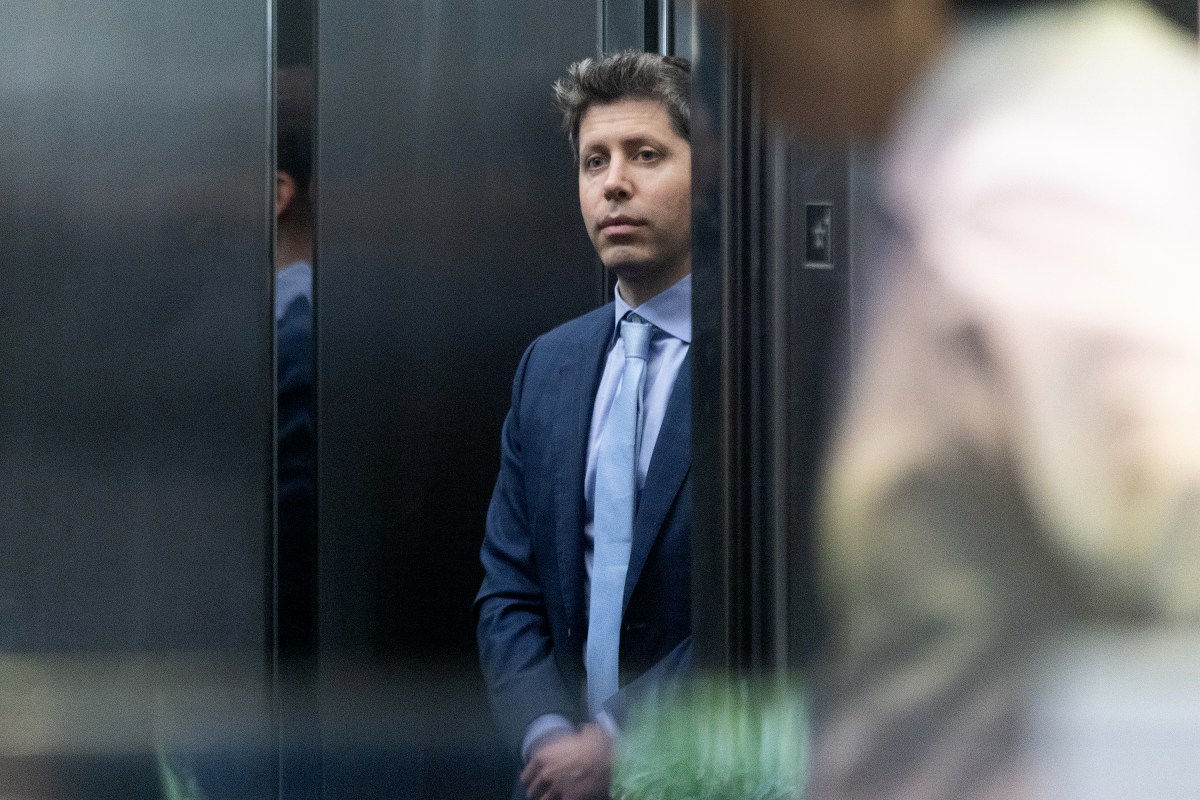
OpenAI chief Sam Altman appeared in court on Monday to defend the company against a lawsuit filed by Elon Musk, who claims the founders turned a charitable foundation into a for‑profit venture. Altman rejected the allegation that OpenAI’s leaders "stole a charity," pointing to the organization’s $200 billion‑plus foundation assets and recent restructuring that converted equity to cash. He also recounted a 2017 conversation in which Musk suggested the for‑profit arm might pass to his children if he died, a remark Altman said underscored Musk’s misunderstanding of OpenAI’s safety‑first mission.
Sam Altman, chief executive of OpenAI, took the stand this morning to confront a lawsuit brought by Elon Musk that challenges the nonprofit’s corporate architecture. The case hinges on Musk’s claim that OpenAI’s founders diverted a charitable entity into a for‑profit subsidiary that now markets AI models. Altman described the accusation as "difficult to even wrap my head around," emphasizing that the OpenAI foundation, with assets estimated at around $200 billion, remains one of the world’s largest charities.
Board chair Bret Taylor testified that the foundation did not employ full‑time staff until earlier this year, a delay the lawyers attributed to the complexities of converting OpenAI equity into cash. That conversion, Taylor said, was completed during a restructuring in 2025. The central legal question, according to Musk’s counsel, is whether the organization’s safety commitments have been sidelined as its commercial ambitions grew.
Altman recalled a pivotal moment in 2017 when the founders debated how to fund the massive compute needed for advanced AI models. He said Musk’s "specific plans on safety" gave him pause. During that debate, Musk was asked what would happen to a hypothetical for‑profit arm if he were to die while overseeing it. Altman recounted Musk’s answer: "Maybe OpenAI should pass to my children." The remark, Altman argued, highlighted a fundamental clash. OpenAI was founded to keep powerful AI out of the hands of any single individual, and Altman's experience running Y Combinator taught him that founders rarely relinquish control.
Altman also criticized Musk’s management style, saying it suited engineering and manufacturing but not a research laboratory. He noted that Musk once demanded a list of researchers, their accomplishments, and a "stack‑rank" that led to a "chainsaw" approach, which damaged the organization’s culture for years. Altman defended co‑founders Greg Brockman and Ilya Sutskever, crediting them with steering the company while Musk and Altman pursued other ventures.
After the board dispute, Musk left OpenAI’s board and launched competing AI projects at Tesla and his own startup, xAI. Despite the fallout, Altman said he continued to update Musk on OpenAI’s progress, seeking his funding and advice when possible. He recalled a 2018 meeting about a Microsoft investment that turned out to be a "good vibes" session, during which Musk showed memes on his phone.
OpenAI’s legal team pointed out that Musk had been kept informed about the nonprofit’s activities and had expressed interest in participating in its investments—actions now cited by his attorneys as evidence of corruption. The courtroom drama underscores a broader tension in the AI industry: balancing rapid commercialization with the promise to develop technology safely and responsibly.