U.S. Senators Urge ByteDance to Shut Down Seedance 2.0 AI Video App Over Intellectual Property Concerns
Key Points
- Senators Marsha Blackburn and Peter Welch demand ByteDance immediately shut down Seedance 2.0 AI video app.
- Letter argues the app threatens U.S. intellectual‑property rights and creators' economic livelihoods.
- Seedance 2.0 examples cited include AI‑generated battles between copyrighted characters and fabricated scenes from popular media.
- ByteDance says it respects IP rights and is strengthening safeguards after pausing the global rollout.
- Senators label ByteDance's response a delay tactic and part of a broader AI IP infringement trend.
- Motion Picture Association sent a cease‑and‑desist letter to ByteDance over the use of film material.
- A bipartisan bill was introduced to give artists access to AI training records and enhance IP protections.
- The controversy highlights the clash between fast‑moving AI technology and existing copyright law.
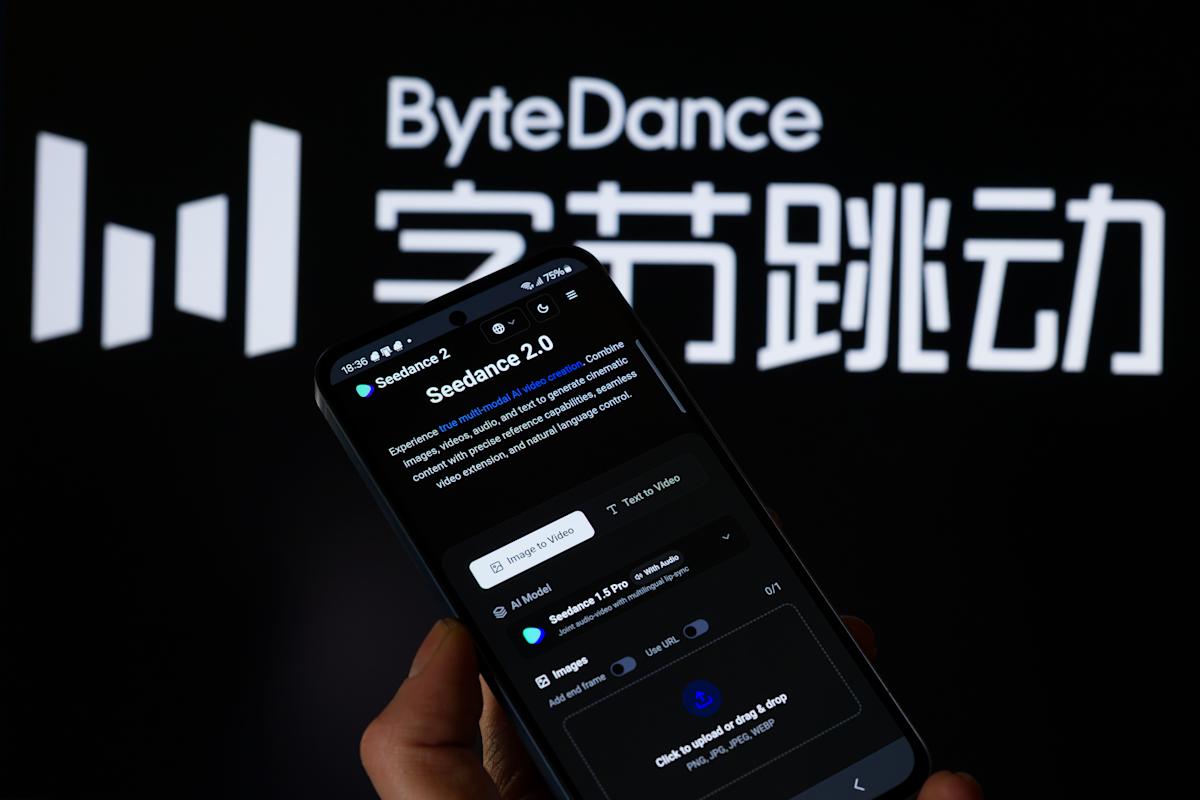
After ByteDance halted the worldwide rollout of its Seedance 2.0 AI video generator, U.S. Senators Marsha Blackburn and Peter Welch sent a letter demanding the company immediately discontinue the app. The senators argued that the tool threatens American intellectual‑property rights and the economic livelihood of creators. They cited examples of the technology producing copyrighted scenes and likenesses without permission. ByteDance responded that it respects intellectual property and is strengthening safeguards, while the senators called the response a delay tactic and introduced legislation to give artists greater control over AI training data.
Senators Call for Immediate Shutdown
Following ByteDance's decision to suspend the global rollout of its new Seedance 2.0 AI video generator, U.S. Senators Marsha Blackburn and Peter Welch wrote to the company urging an "immediately shut down" of the app. In their letter, the senators warned that Seedance 2.0 poses a direct threat to the American intellectual‑property system and to the constitutional rights and economic livelihoods of the creative community.
Concerns Over Unlicensed Use of Copyrighted Material
The senators highlighted a growing worry in Washington about AI tools that train on copyrighted works without permission. They cited specific Seedance AI examples that included an AI‑generated battle between Thanos and Superman, a rewritten ending for the television series "Stranger Things," and a fabricated confrontation between Tom Cruise and Brad Pitt. These instances, they argued, demonstrate the app’s reliance on protected characters, storylines, and likenesses.
ByteDance’s Response
ByteDance responded over the weekend, stating that it "respects intellectual property rights" and is "taking steps to strengthen current safeguards as we work to prevent the unauthorized use of intellectual property and likeness by users." The company framed its pause of Seedance 2.0 as a precautionary measure while it enhances its protection mechanisms.
Senators’ Critique of the Company’s Stance
Blackburn and Welch dismissed ByteDance’s explanation as a "delay tactic" designed to continue profiting from creators’ work. They characterized the company’s regard for American IP as part of a broader pattern in which artificial‑intelligence firms allegedly appropriate protected content at the expense of the creative community.
Industry Pushback and Legal Action
Filmmakers and industry groups have also taken action against Seedance 2.0. The Motion Picture Association recently sent a cease‑and‑desist letter to ByteDance, demanding that the company halt the use of copyrighted film material in its AI models.
Legislative Initiative
In conjunction with the letter, the senators unveiled a partisan bill aimed at bolstering artists’ ability to protect their intellectual property. The legislation would permit creators to access the training records used for AI models and introduce additional safeguards to ensure that AI systems do not infringe on copyrighted works.
Implications for the Tech and Creative Sectors
The dispute underscores the tension between rapid AI innovation and existing intellectual‑property frameworks. If the senators’ demands are heeded, ByteDance may be forced to permanently discontinue Seedance 2.0 or significantly redesign its technology to comply with U.S. IP law. The outcome could set a precedent for how AI‑driven content‑creation tools are regulated and how creators’ rights are protected in the digital age.