UK Reverses AI Copyright Stance After Artist Backlash
Key Points
- The UK government dropped a draft provision that would let AI firms train on copyrighted works without consent.
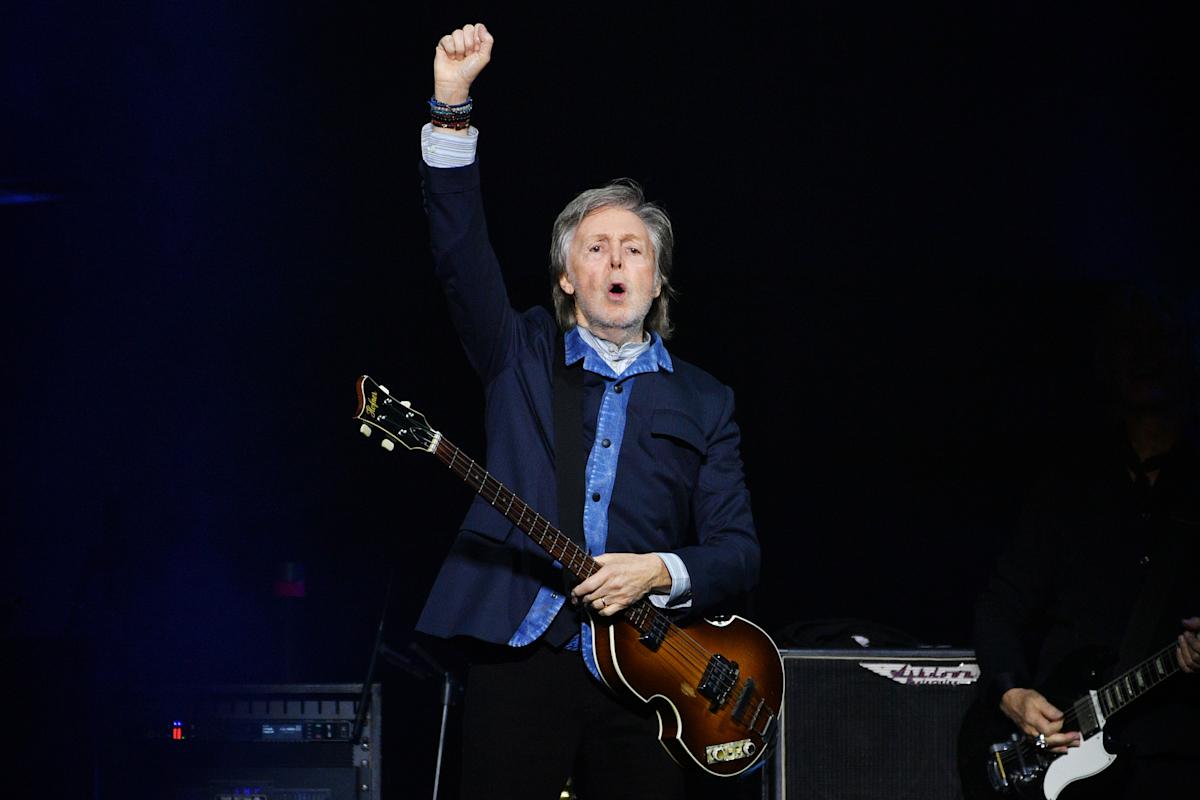
- High‑profile artists—including Sir Elton John, Dua Lipa, and Sir Paul McCartney—publicly criticized the original policy.
- Technology Secretary Liz Kendall said the government has listened to the backlash.
- The department now says it has "no longer a preferred option" on how to handle AI‑generated content.
- Officials stress any future reform must protect creators, ensure fair compensation, and still allow AI development.
- UK Music CEO Tom Kiehl called the reversal a "major victory" for artists.
The UK government abandoned its earlier plan to let AI developers train models on copyrighted works without consent, after a strong outcry from musicians and other creators. The shift follows criticism from high‑profile artists such as Sir Elton John, Dua Lipa and Sir Paul McCartney, who warned that the policy would undermine creative ownership. While the government now says it has "no longer a preferred option" on the issue, officials say they will take more time to balance the interests of creators and the tech sector before any reform is introduced.
Background
Britain’s data bill originally included a provision that would have allowed companies like Google and OpenAI to use copyrighted material to train artificial‑intelligence models without needing permission from the rights holders. The draft offered only an opt‑out mechanism for artists, prompting concerns that creators would lose control over their work and receive little or no compensation.
Artist and Industry Pushback
Prominent musicians quickly voiced opposition. Sir Elton John and Dua Lipa publicly criticized the government’s position, arguing it threatened the livelihood of creators. Sir Paul McCartney added that the AI industry could "rip off" artists and lead to a "loss of creativity." He warned that young songwriters might see their work used without ownership or reward, with any profits flowing elsewhere.
Government Response
After the backlash, Technology Secretary Liz Kendall said, "We have listened," and announced that the government was stepping back from its previous stance. The department clarified that it "no longer has a preferred option" for handling AI‑generated content and will take "the time needed" to weigh the concerns of both the creative sector and the technology industry.
The government emphasized that any future reform must protect the UK’s status as a "creative powerhouse" while also unlocking the economic potential of AI. Officials said reforms should ensure that right‑holders are fairly rewarded, protected against unlawful use, and that AI developers can still access high‑quality content.
Next Steps
UK Music CEO Tom Kiehl hailed the reversal as "a major victory" for artists and pledged to work with officials on the next steps. The government indicated it will not introduce copyright changes until it is confident the new rules meet its economic and citizen‑focused objectives.