Helion Fusion Startup Discusses Power Deal with OpenAI
Key Points
- Helion is in early talks to sell electricity to OpenAI.
- The potential deal could allocate 12.5% of Helion’s future output to OpenAI.
- Projected output includes five gigawatts by 2030 and fifty gigawatts by 2035.
- Helion uses magnetic conversion of fusion energy directly into electricity.
- Each reactor is designed for 50 megawatts; plans call for 800 reactors by 2030.
- Sam Altman stepped down from Helion’s board to facilitate the partnership.
- Microsoft already signed a similar power purchase agreement with Helion.
- Helion raised $425 million from investors including Altman, Mithril, Lightspeed, and SoftBank.
Helion, a fusion energy company backed by Sam Altman, is in early talks to supply electricity to OpenAI. The potential agreement could allocate a share of Helion's future output—estimated at several gigawatts by the early 2030s—to the AI firm. Helion’s approach uses magnetic conversion of fusion energy directly into electricity, a departure from traditional heat‑based methods. The company plans to scale rapidly, targeting hundreds of reactors that together could generate tens of gigawatts. Altman has stepped down from Helion’s board to facilitate the partnership, and Microsoft has already signed a similar power purchase agreement with Helion.
Background
Helion, a fusion‑power startup, is exploring a partnership with OpenAI to provide clean electricity. Both companies share a common backer in Sam Altman, and the discussions are reported to be in early stages. The potential arrangement would give OpenAI a guaranteed portion of Helion’s future production, aligning the AI firm with zero‑carbon energy sources.
Potential Deal Details
The reported terms suggest OpenAI could secure 12.5% of Helion’s output, translating to five gigawatts by 2030 and fifty gigawatts by 2035. Microsoft, another major backer, previously signed a comparable agreement to purchase power from Helion beginning in 2028, indicating a broader strategy to source AI‑intensive workloads from fusion energy.
Helion’s Technology and Scale Plans
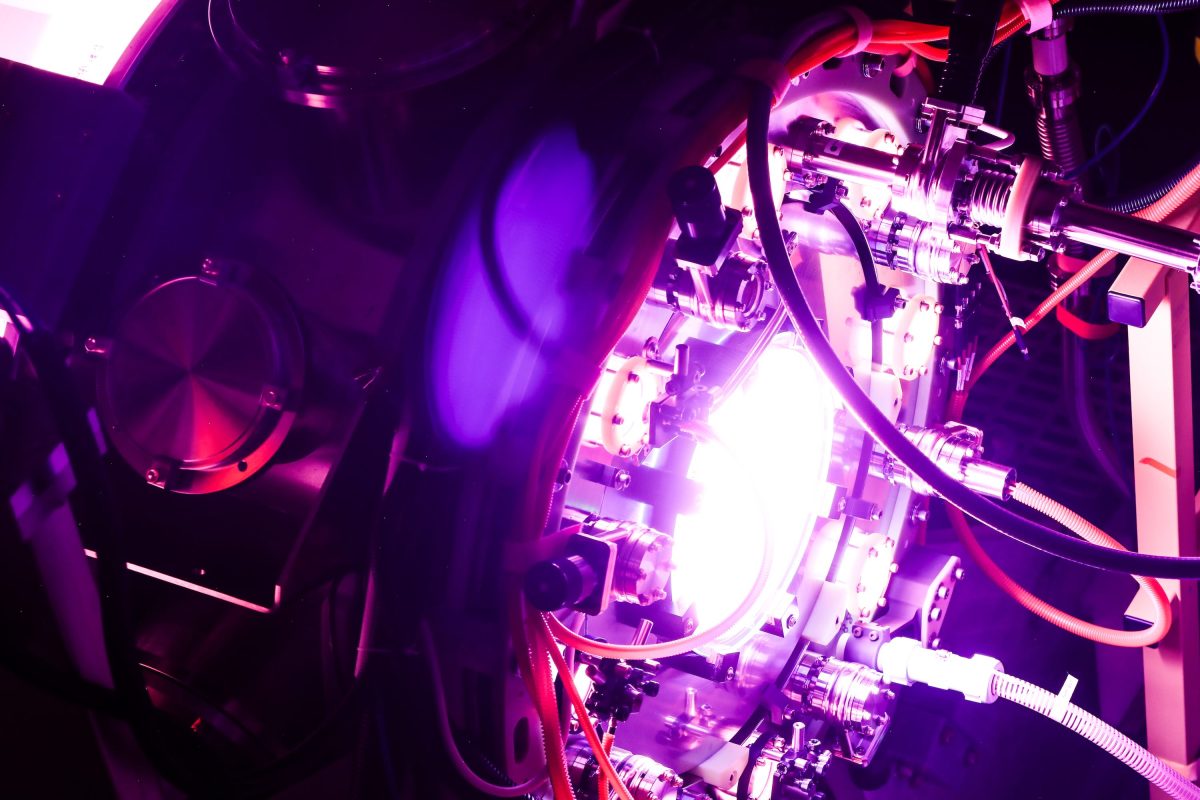
Helion distinguishes itself by using magnetic fields to convert fusion reactions directly into electricity, bypassing the conventional steam‑turbine approach. Each reactor is designed to produce 50 megawatts of power. To meet its ambitious output goals, Helion aims to build and install roughly 800 reactors by 2030 and an additional 7,200 by 2035. The company’s Polaris prototype recently achieved plasma temperatures of 150 million degrees Celsius, approaching the 200 million degrees Celsius target for commercial viability.
Leadership Changes and Partnerships
Sam Altman has stepped down as chair of Helion’s board after more than a decade, a move intended to enable the company and OpenAI to collaborate without conflict. Altman also previously relinquished his board role at Oklo, a modular nuclear‑reactor startup, to allow that firm to explore strategic AI partnerships. Helion’s recent financing round raised $425 million from investors that include Altman, Mithril, Lightspeed, and SoftBank.
Industry Context
If Helion succeeds in delivering commercial‑scale fusion power on the projected timeline, it would outpace most competitors, many of which target the early 2030s for initial operations. The partnership with OpenAI, alongside Microsoft’s procurement deal, underscores a growing trend of AI companies seeking reliable, carbon‑free energy sources to power their data centers.