ByteDance’s Seedance 2.0 Triggers Hollywood Lawsuits Over AI‑Generated Video
Key Points
- Irish filmmaker Ruairi Robinson posted Seedance 2.0 clips featuring a digital replica of a famous actor in elaborate action scenes.
- Major Hollywood studios and the Motion Picture Association issued cease‑and‑desist letters over alleged copyright and likeness violations.
- ByteDance pledged to strengthen safeguards but has not released a public API for the model.
- Critics label Seedance 2.0 a polished form of “slop,” highlighting its dependence on unlicensed source material.
- The short film “Jia Zhangke’s Dance” shows both narrative potential and typical AI continuity errors.
- Companies such as Asteria and Adobe are working on IP‑safe generative video models using licensed data.
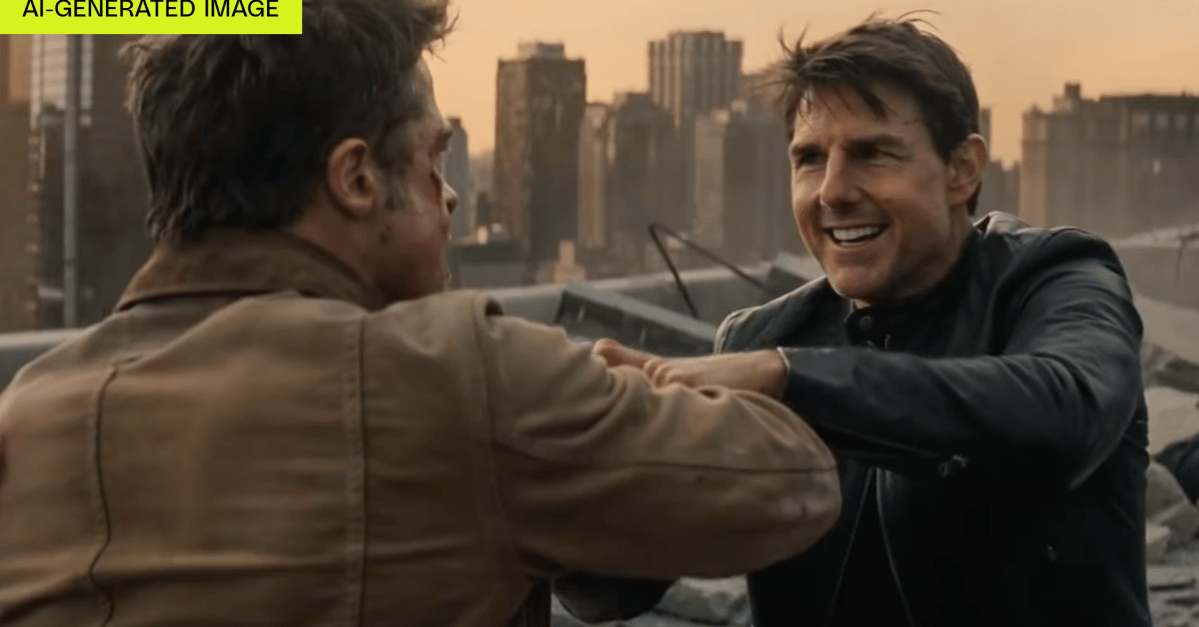
Irish filmmaker Ruairi Robinson posted short clips created with ByteDance’s new video‑generation model Seedance 2.0, showcasing a digital replica of a famous actor in elaborate action scenes. The striking visuals have drawn cease‑and‑desist letters from major Hollywood studios and the Motion Picture Association, alleging copyright and likeness infringement. ByteDance says it will strengthen safeguards, yet the model remains unavailable to the public and continues to raise questions about the ethics of AI‑generated content. Critics label the technology as a polished form of “slop” – impressive yet fundamentally dependent on unlicensed source material.
Seedance 2.0’s Viral Debut
When Irish filmmaker Ruairi Robinson began uploading a series of short clips made with Seedance 2.0 – ByteDance’s newest video‑generation model – the results appeared markedly more polished than output from other generative‑AI video tools. The clips featured a digital duplicate of a well‑known actor battling another celebrity look‑alike, humanoid robots and zombies, with fluid movement and kinetic camera work that drew immediate attention online.
Hollywood’s Legal Response
The striking visual quality prompted swift action from the entertainment industry. The Motion Picture Association, along with major studios such as Disney, Paramount and Netflix, sent cease‑and‑desist letters to ByteDance, alleging unauthorized use of copyrighted material and protected likenesses. In response, ByteDance indicated it would take steps to strengthen current safeguards and prevent the unauthorized use of intellectual property and likenesses by users.
Concerns About a Viral Stunt
Observers have described Seedance 2.0’s rollout as feeling like a viral stunt, especially as studios have made clear their willingness to pursue legal action when AI systems appropriate protected content. While Seedance‑generated videos look superior to those produced by competitors such as Sora, Veo or Runway, critics argue that the model’s primary appeal lies in its ability to create highly polished copies of existing works, labeling it a more sophisticated form of “slop.”
Understanding the “Slop” Label
The term “slop” is used to describe AI‑generated video that lacks direct authorial intent. Unlike traditional filmmaking, where a human team can follow a story’s beats and character motivations, generative models parse simple inputs and generate outputs based on vast visual training data. Seedance 2.0, like its peers, requires large amounts of source material to produce realistic results, raising concerns that its impressive likeness recreation depends on unlicensed data.
A Case Study: Jia Zhangke’s Dance
One of the more nuanced Seedance 2.0 creations is a short film titled “Jia Zhangke’s Dance,” which features the Chinese director debating the nature of AI creativity with an AI version of himself. The piece demonstrates smoother narrative cohesion than many other AI‑generated videos, yet still exhibits continuity errors typical of the technology, such as background characters clipping in and out of view. The short illustrates how skilled filmmakers can work around technical limitations by stitching together brief shots to simulate longer takes.
ByteDance’s API Pause and Industry Response
Amid the controversy, ByteDance has paused plans to release a public API for Seedance 2.0. Meanwhile, other companies, including Asteria and Adobe, are developing “IP‑safe” models built on properly licensed data, aiming to address the core issue of unauthorized content use. Until AI video models can consistently produce high‑quality work without relying on copyrighted material, critics expect the label “slop” to remain applicable.
Looking Ahead
Seedance 2.0 illustrates both the technical promise of generative video and the legal and ethical challenges that accompany rapid AI advancement. The ongoing tension between innovative capability and intellectual‑property protection is likely to shape the future development and deployment of AI‑driven media tools.