Why Certain Tasks Should Stay Away From ChatGPT
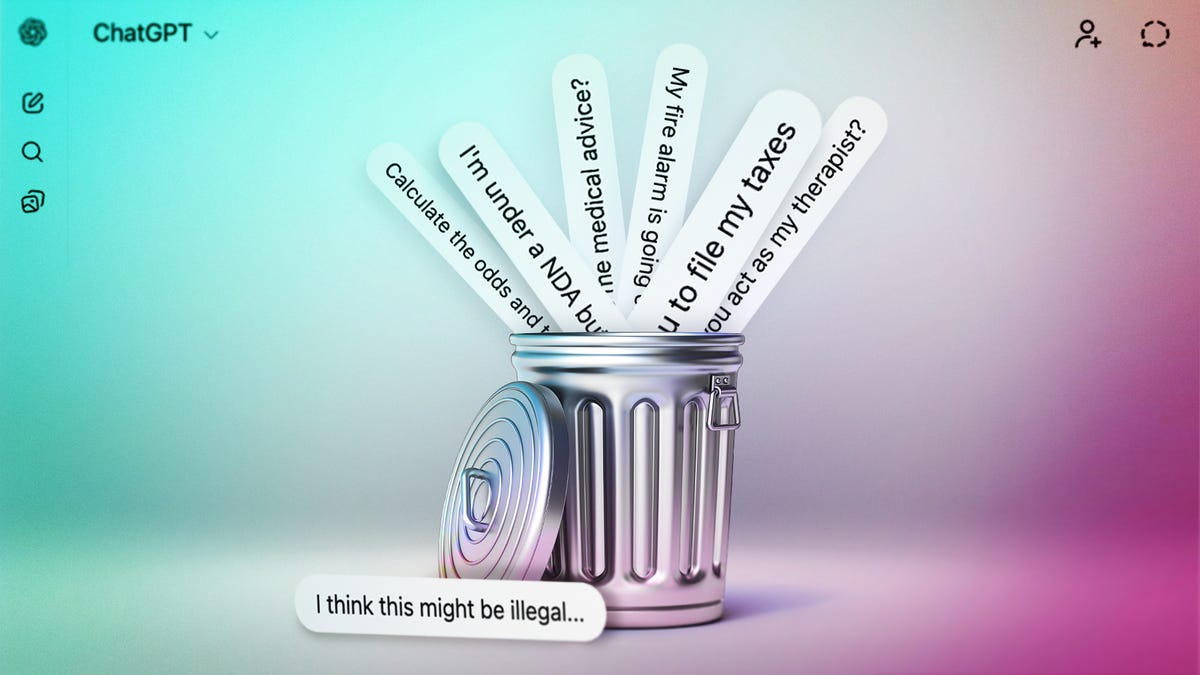
Key Points
- Do not rely on ChatGPT for medical diagnoses or mental‑health counseling.
- Avoid using the AI in emergency or safety situations.
- Do not seek personalized financial, tax, or investment advice from ChatGPT.
- Never input confidential, regulated, or personally sensitive information.
- Refrain from using the model for illegal activities or illicit content.
- Do not let ChatGPT complete schoolwork, exams, or other academic assignments.
- Do not depend on it for real‑time news, market data, or live updates.
- Avoid using ChatGPT for gambling predictions or legal document drafting.
- Consider ethical implications before using AI to create artwork.
ChatGPT is a versatile tool, but it falls short in critical areas such as health diagnosis, mental‑health support, emergency decisions, personalized finance, handling sensitive data, illegal activities, academic cheating, real‑time monitoring, gambling advice, legal drafting, and artistic creation. Relying on the AI for these purposes can lead to inaccurate information, security risks, and serious real‑world consequences.
Understanding the Limits of ChatGPT
ChatGPT excels at generating text, answering general questions, and assisting with brainstorming. However, its capabilities have clear boundaries that users must respect to avoid harmful outcomes.
Health and Safety Risks
The model cannot examine patients, order tests, or replace professional medical advice. Using it for symptom analysis or mental‑health support can produce misleading or dangerous suggestions. In emergencies—such as fire, carbon‑monoxide exposure, or other safety threats—ChatGPT should never replace immediate action or calling emergency services.
Financial and Legal Pitfalls
Personalized financial planning and tax advice require detailed, up‑to‑date information that the AI does not possess. Similarly, drafting legally binding documents or contracts demands jurisdiction‑specific knowledge that ChatGPT cannot guarantee. Relying on it for these matters may result in errors, penalties, or unenforceable agreements.
Privacy and Security Concerns
Inputting confidential or regulated data—such as trade secrets, medical records, or personal identification—exposes that information to external servers, potentially violating privacy laws and nondisclosure agreements. The model also cannot ensure data remains secure from hacking or misuse.
Academic Integrity and Real‑Time Information
Using ChatGPT to complete assignments or exams constitutes cheating and can lead to academic penalties. While the AI can fetch recent data, it does not provide continuous live updates, making it unsuitable for monitoring breaking news or real‑time market changes.
Gambling, Art, and Illicit Activities
Predicting gambling outcomes is unreliable, and the model should not be used for illicit purposes. Additionally, creating artwork with AI raises ethical questions about originality and attribution.
Overall, users should treat ChatGPT as a supplemental aid—useful for drafting outlines, explaining concepts, and generating ideas—while steering clear of high‑stakes, sensitive, or regulated tasks.