Waze Expands Gemini-Powered Conversational Reporting Amid Mixed User Feedback
Key Points
- Waze expands its Gemini AI‑powered Conversational Reporting feature after a year of beta testing.
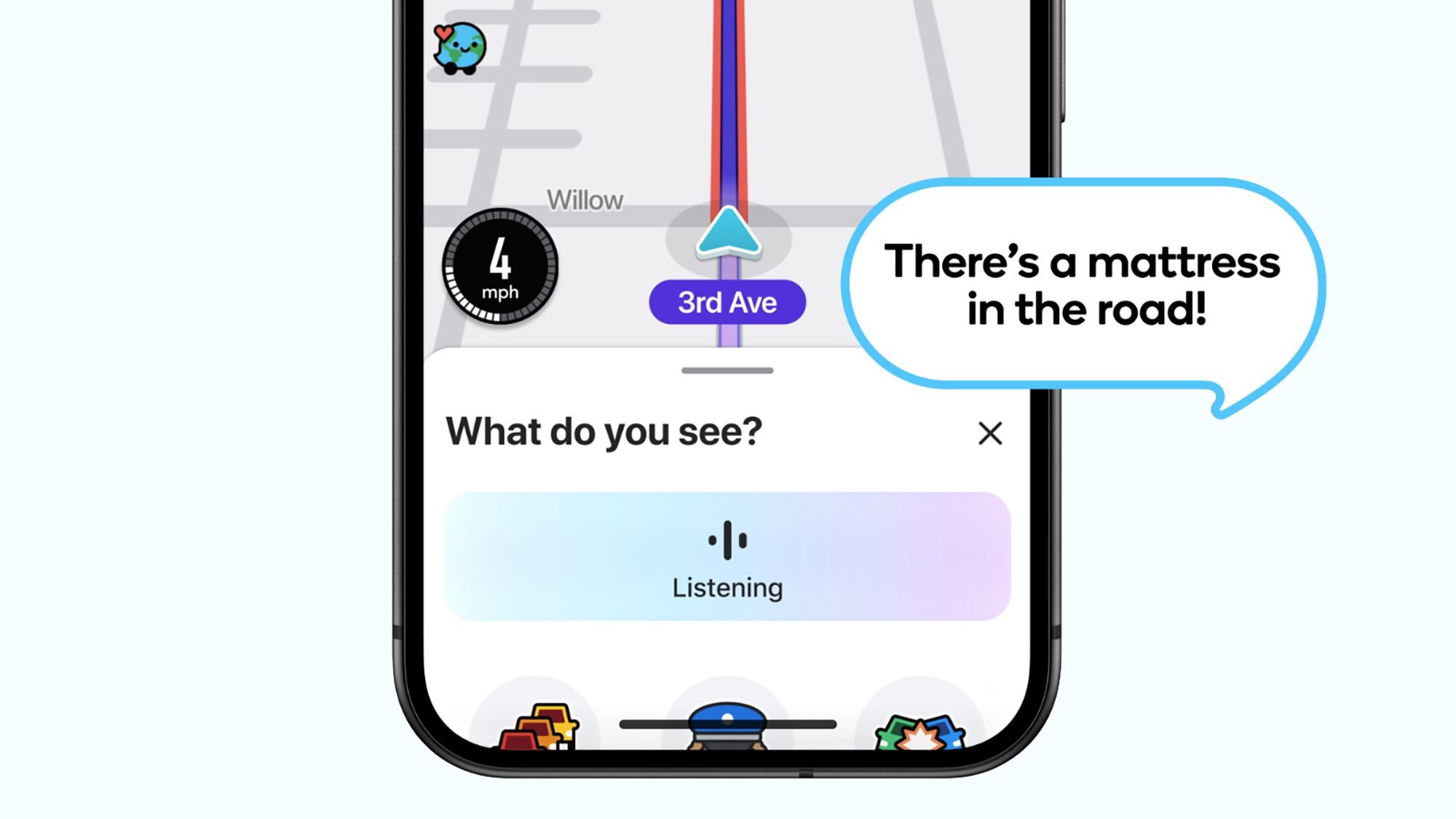
- The tool enables drivers to report road incidents using natural voice commands.
- Users report pop‑up prompts that ask to enable the feature, sometimes interrupting audio playback.
- Occasional misrecognition of reported incidents has been noted, with some users restarting the app to fix issues.
- Early feedback is mixed; while the feature promises safety benefits, technical glitches remain.
- Future updates are expected to address bugs and improve overall reliability.
Waze has begun rolling out its Gemini AI-powered Conversational Reporting feature to a broader audience after a year of limited beta testing. The voice‑based tool lets drivers report road incidents without tapping screens, but many users report pop‑up prompts, interruptions to music or podcasts, and occasional misrecognition of reported events. Some suggest restarting the app to resolve issues. While the feature promises a safer, more convenient experience, early bugs remain a focus for future fixes.
Waze Introduces Voice‑Based Incident Reporting
Waze announced a new Conversational Reporting feature that leverages Gemini AI to enable drivers to report road incidents using only their voice. The concept allows users to share details about closures, accidents, and other hazards by speaking naturally to the app, rather than navigating menus or tapping buttons.
Beta Testing and Wider Rollout
The feature was beta tested with a limited group of users over the past 12 months. Recent observations indicate that the feature is now reaching many more users, although Waze has not issued a fresh public announcement about the broader deployment.
How the Feature Works
When a driver taps the reporting button, a prompt appears inviting them to describe the incident aloud. The Gemini‑powered engine interprets the spoken description, assigns it to the appropriate event category, and adds a real‑time report to the map. The process is designed to function as if the driver were chatting with a friend, with the AI handling the categorization automatically.
User Reactions: Praise and Frustration
Feedback from the Waze community is mixed. Some users appreciate the convenience of hands‑free reporting, noting that it could improve safety by keeping eyes on the road. However, a number of complaints have emerged on the Waze subreddit and other forums. Common grievances include a persistent pop‑up that repeatedly asks users to enable Conversational Reporting, which some describe as intrusive. Others report that the pop‑up interrupts music or podcasts, detracting from the driving experience.
Technical Hiccups
Even when the feature is activated, it does not always function as advertised. Users have observed instances where the AI fails to correctly identify the incident being reported, leading to inaccurate map updates. In some cases, drivers have found that restarting the app restores proper functionality, suggesting that the feature may still be fine‑tuning its integration with the main Waze platform.
Outlook and Expectations
Given that the feature is still in its early public phase, developers are likely to address the reported bugs and usability concerns. The goal is to deliver a smoother, safer, and more convenient reporting experience once the technology stabilizes. As the rollout continues, user feedback will play a crucial role in shaping subsequent updates.