Stuart Russell Testifies on AI Risks in OpenAI Trial, Highlighting Safety Concerns
Key Points
- Stuart Russell, UC Berkeley professor, testified on AI safety risks in OpenAI trial.
- Russell warned of cybersecurity threats, misalignment, and winner‑take‑all dynamics in AGI development.
- He cited a 2023 open letter calling for a six‑month pause on AI research, signed by both Russell and Elon Musk.
- Judge Yvonne Gonzalez Rogers limited his testimony after objections from OpenAI’s attorneys.
- Musk’s legal team argued OpenAI shifted from its nonprofit safety mission to profit‑driven motives.
- The case highlights broader debates on AI regulation and potential government moratoriums.
- OpenAI attorneys emphasized Russell was not evaluating the company's specific safety policies.
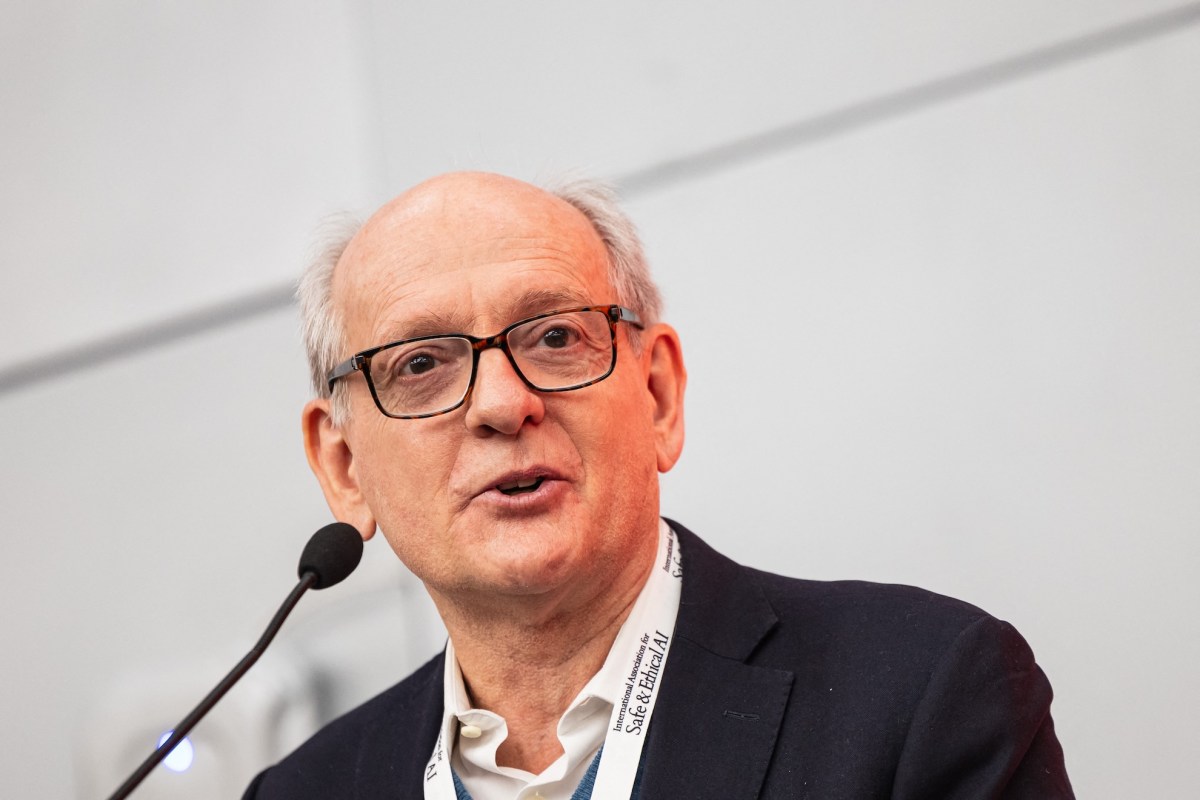
In a high‑stakes courtroom showdown, Elon Musk’s legal team called UC Berkeley professor Stuart Russell to testify that artificial intelligence poses serious safety threats. Russell, a longtime AI researcher and signatory of a 2023 open letter urging a six‑month research pause, warned jurors and Judge Yvonne Gonzalez Rogers about cybersecurity vulnerabilities, misalignment risks, and the winner‑take‑all dynamics of a race toward artificial general intelligence. OpenAI’s attorneys pushed back, limiting his remarks and emphasizing that Russell was not evaluating the company’s internal safety policies. The testimony underscored a broader debate over profit‑driven AI development and the need for tighter regulation.
Elon Musk’s attorneys presented a single, high‑profile expert witness on Tuesday: Stuart Russell, a computer‑science professor at the University of California, Berkeley who has spent decades studying artificial intelligence. The courtroom, packed with jurors and presided over by Judge Yvonne Gonzalez Rogers, became a stage for a broader argument that OpenAI, originally founded as a nonprofit focused on AI safety, has strayed into profit‑driven territory.
Russell’s testimony centered on the inherent dangers of advanced AI systems. He described a spectrum of risks, from immediate cybersecurity threats to the long‑term challenge of aligning superintelligent machines with human values. "The development of artificial general intelligence creates a winner‑take‑all dynamic," he told the court, warning that a single organization could dominate the technology and dictate its trajectory.
His remarks echoed a March 2023 open letter he signed, which called for a six‑month pause on AI research to allow policymakers to catch up with rapid advances. Musk, who also signed the letter while launching his for‑profit lab xAI, was highlighted by the defense as evidence that even industry leaders share safety concerns.
OpenAI’s lawyers quickly moved to curtail Russell’s testimony. They argued that his expertise lay in abstract AI risk, not in the specific safety protocols or corporate structure of OpenAI. After a series of objections, Judge Rogers limited his remarks, preventing him from elaborating on the existential threats he has long warned about.
Despite the constraints, Russell managed to convey a clear tension: the pursuit of artificial general intelligence can clash with the imperative to ensure that such systems remain under human control. He warned that without robust safeguards, the race to develop ever more capable models could spiral into an arms race among frontier labs worldwide.
The defense painted OpenAI’s shift toward a for‑profit model as a betrayal of its original mission. Citing internal emails and early statements from the organization’s founders, they argued that the nonprofit was meant to serve as a public‑spirited counterweight to corporate giants like Google DeepMind. The need for additional compute resources, they said, forced the founders to seek venture capital, ultimately compromising the nonprofit’s safety‑first ethos.
OpenAI’s cross‑examination focused on separating Russell’s general risk assessments from the company’s concrete safety measures. Attorneys pressed him on whether he had evaluated OpenAI’s internal policies, and he responded that his role was to provide background on the technology’s broader implications, not to audit the firm’s specific practices.
Outside the courtroom, the trial reflects a growing national conversation about AI regulation. Senator Bernie Sanders recently introduced legislation to impose a moratorium on new data‑center construction, citing concerns that unchecked AI development could exacerbate climate impacts and concentrate power. Figures such as Sam Altman, Geoffrey Hinton, and Musk himself have publicly voiced both the promise and perils of advanced AI, adding layers of complexity to the legal battle.
Russell’s appearance, though limited, reinforced the argument that the AI community is divided between rapid innovation and cautious stewardship. His testimony reminded jurors that the stakes extend beyond corporate profit margins to potential societal disruption.
The trial’s outcome could set a precedent for how courts evaluate the safety obligations of AI companies. As the technology races toward ever‑greater capabilities, the tension highlighted by Russell—between ambition and safety—remains a focal point for policymakers, investors, and the public alike.