Schematik Raises $4.6 Million to Turn AI into a ‘Cursor for Hardware’
Key Points
- Schematik raised $4.6 million from Lightspeed Venture Partners to develop its AI‑powered hardware design platform.
- Founder Samuel Beek created the tool after an AI‑generated wiring guide caused a house‑wide fuse failure.
- The service translates plain‑language descriptions into component lists, purchase links, and assembly instructions.
- Early adopters like Marc Vermeeren have built MP3 players and custom bots using Schematik.
- Anthropic released a Bluetooth API that enables Claude to interact with physical devices, aligning with Schematik’s goals.
- iFixit CEO Kyle Wiens praised the platform’s potential to simplify complex electronics design.
- Schematik restricts recommendations to low‑voltage circuits to prioritize safety.
- The startup aims to lower barriers for makers while eventually targeting more advanced hardware projects.
Amsterdam‑based startup Schematik, founded by former maker Samuel Beek, has secured $4.6 million in seed funding from Lightspeed Venture Partners. The company’s new AI‑driven platform promises to guide users through the entire hardware‑building process, from design to parts sourcing, and even offers step‑by‑step assembly instructions. Early adopters have already used the tool to create everything from MP3 players to custom Tamagotchi‑style bots. Anthropic recently announced a Bluetooth API that lets developers connect its Claude model to physical devices, a move that aligns closely with Schematik’s vision. The startup aims to lower the barrier to entry for electronics creation while keeping safety at the forefront.
When Samuel Beek’s home‑grown electric door opener fried every fuse in his apartment, he realized that the AI‑generated wiring guide he’d followed from ChatGPT lacked a basic understanding of electrical safety. The mishap sparked the idea for Schematik, a platform Beek describes as a “Cursor for Hardware.” The service lets users describe a physical device in plain language, then returns a full bill of materials, links to purchase each component, and a step‑by‑step build guide.
Beek, who admits he is not a hardware specialist, switched his prompts to Anthropic’s Claude after the first failure. The refined assistant now powers Schematik’s core engine, allowing the tool to suggest low‑voltage circuits—typically three to five volts—suitable for Internet‑of‑Things gadgets and hobbyist projects. The startup closed a $4.6 million seed round led by Lightspeed Venture Partners, giving it the runway to expand the product and attract more makers.
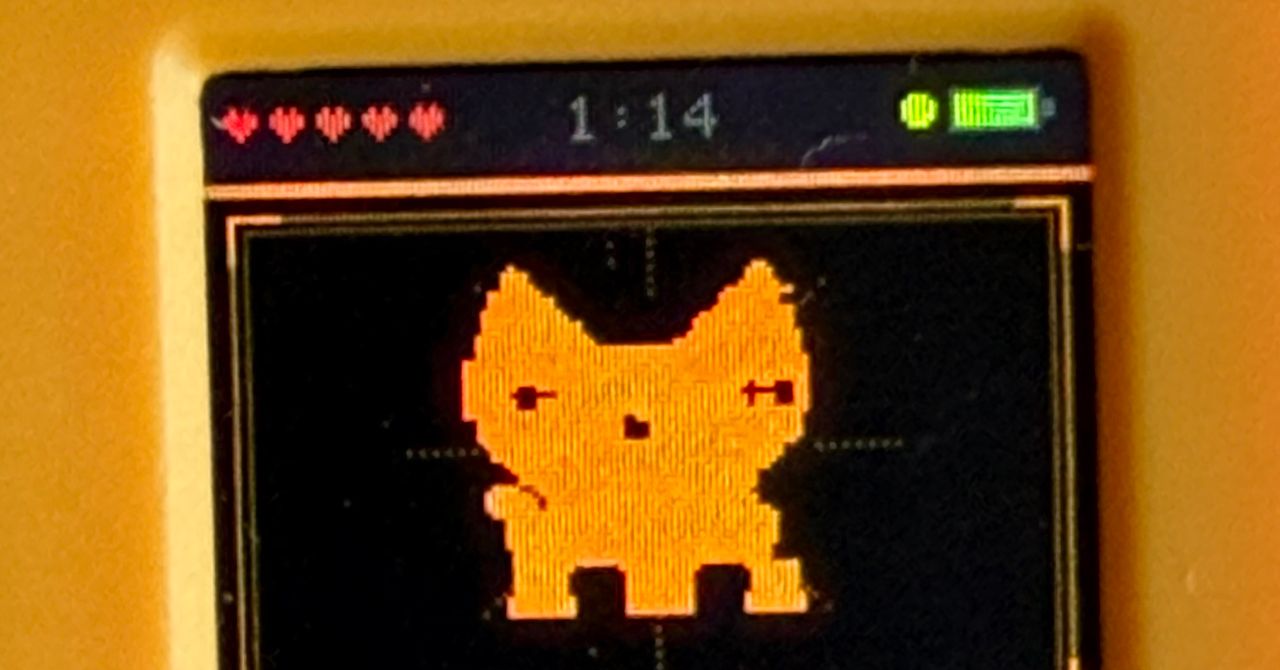
Early users have already put the platform to the test. Marc Vermeeren, who heads branding at European AI firm N8N, built an MP3 player and a Tamagotchi‑style bot he calls “Clawy” using Schematik’s recommendations. Vermeeren, now an investor in the company, says the tool removes the “blocker for your creativity” that traditionally keeps hardware projects out of reach for non‑engineers.
Anthropic’s involvement goes beyond powering Schematik’s backend. On Thursday, engineer Felix Rieseberg announced a new Bluetooth API that lets developers create hardware that interacts directly with Claude. Rieseberg shared a GitHub repository featuring a device resembling Vermeeren’s Clawy, though Anthropic declined to comment on whether the release was inspired by Schematik’s work.
Industry observers see the move as part of a broader trend where AI startups venture into the hardware realm. iFixit CEO Kyle Wiens, who runs a site dedicated to repairing consumer electronics, praised the concept. “Electronics design is a maze of SKUs and compatibility issues,” Wiens said. “An AI that can map that terrain at scale is exactly the kind of tool the maker community needs.”
Safety remains a core concern for Beek. Schematik currently limits its recommendations to low‑voltage architectures, a deliberate choice to avoid the kind of dangerous overload that ruined his apartment. “The nice thing about electronics is that it’s pure physics—you can verify the results,” he noted. While the long‑term ambition includes more ambitious projects, such as humanoid robots, the immediate focus is on making reliable, low‑risk gadgets accessible to a wider audience.
The platform’s emergence coincides with a surge of AI‑driven products from major players like OpenAI and various chipmakers. Yet, unlike the high‑profile announcements from those giants, Schematik targets a niche of hobbyists and small‑scale innovators. As AI news outlets begin to track the startup’s progress, the company hopes its approach will democratize hardware creation in the same way large‑language models have simplified software development.