OpenAI to Amend Defense Deal, Barring Domestic Surveillance Use of Its AI
Key Points
- OpenAI will amend its Defense Department contract to prohibit domestic surveillance using its AI.
- The amendment cites the Fourth Amendment and other U.S. laws as the legal basis for the restriction.
- CEO Sam Altman says he would rather go to jail than follow an unconstitutional order.
- The change follows pressure on rival Anthropic to drop AI guardrails for surveillance and weapons development.
- Anthropic refused to remove safeguards, leading to a presidential order against its services.
- The Defense Department considered labeling Anthropic a supply‑chain risk, a status usually applied to Chinese firms.
- Anthropic’s Claude rose to the top of the App Store’s free‑app list after the news.
- Anthropic launched a memory‑import tool to ease user migration from other chatbots.
- ChatGPT saw a sharp rise in uninstalls, with a reported 295% day‑over‑day increase.
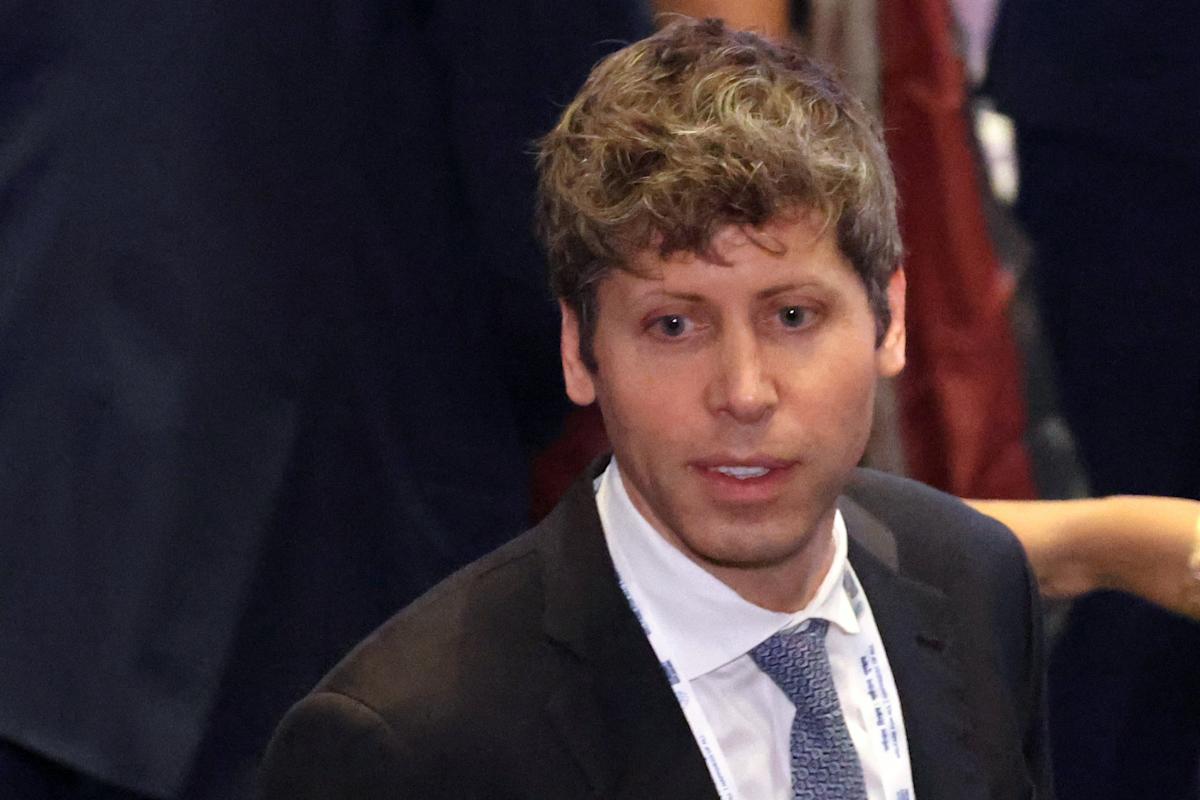
OpenAI CEO Sam Altman announced that the company will revise its contract with the U.S. Department of Defense to explicitly forbid the use of its artificial‑intelligence system for mass surveillance of Americans. In an internal memo shared on X, Altman detailed new language tying the restriction to the Fourth Amendment and other applicable laws, and said he would prefer jail over complying with an unlawful order. The move follows a broader government debate over AI guardrails, pressure on rival Anthropic to drop safeguards, and a recent surge in Anthropic’s popularity after the policy shift.
OpenAI’s Commitment to Domestic Privacy
Sam Altman, chief executive of OpenAI, communicated to staff via an internal memo posted on X that the company will amend its agreement with the U.S. Department of Defense. The amendment will contain explicit language stating that, consistent with applicable laws—including the Fourth Amendment, the National Security Act of 1947, and the FISA Act of 1978—OpenAI’s AI system shall not be intentionally used for domestic surveillance of U.S. persons or nationals. The memo emphasizes that the Department understands this limitation to prohibit deliberate tracking, surveillance, or monitoring of U.S. individuals, even when commercial personal data is involved.
Stance on Unconstitutional Orders
Altman asserted that if the company were to receive an order he believed to be unconstitutional, he would rather face incarceration than comply. He also noted that the Department has affirmed its services will not be employed by intelligence agencies, such as the NSA, without a contract modification that respects the new restrictions.
Context of the Deal and Government Pressure
The amendment comes after a period of heightened scrutiny over AI use in government. President Trump previously ordered all U.S. agencies to cease using Anthropic’s Claude and other Anthropic services. The Defense Department, led by Secretary Pete Hegseth, had pressured Anthropic to remove AI guardrails so the technology could be employed for all “lawful” purposes, including mass surveillance and the development of fully autonomous weapons. Anthropic declined, stating that intimidation would not change its position on domestic surveillance or autonomous weapons, prompting the presidential order.
Supply‑Chain Concerns and Industry Reactions
The Department also considered designating Anthropic as a “supply chain risk,” a label typically reserved for Chinese firms believed to pose security threats. Altman told officials that Anthropic should not receive such a designation and expressed hope that the Defense Department would extend the same deal terms to Anthropic that OpenAI had secured.
Market Impact and Product Updates
Following the public disclosure of OpenAI’s amendment, Anthropic experienced a surge in popularity, climbing to the top of the App Store’s Top Free Apps chart and surpassing both ChatGPT and Google Gemini. The company introduced a memory‑import tool designed to make it easier for users to transition to Claude from competing chatbots. Meanwhile, Sensor Tower reported a sharp increase in uninstalls of the ChatGPT app, with a day‑over‑day rise of 295 percent.
Reflection on the Negotiation Process
Altman admitted that OpenAI had rushed the original deal, describing the issues as “super complex” and in need of clear communication. He framed the amendment as an effort to de‑escalate tensions and avoid a worse outcome, acknowledging that the rapid rollout appeared opportunistic. In a subsequent AMA on X, Altman clarified that he was not aware of the specific terms of Anthropic’s agreement with the Department, though he believed that if the terms were identical, Anthropic should have agreed to them.