OpenAI shifts leadership: COO Brad Lightcap to lead special projects, CEO Fidji Simo on medical leave
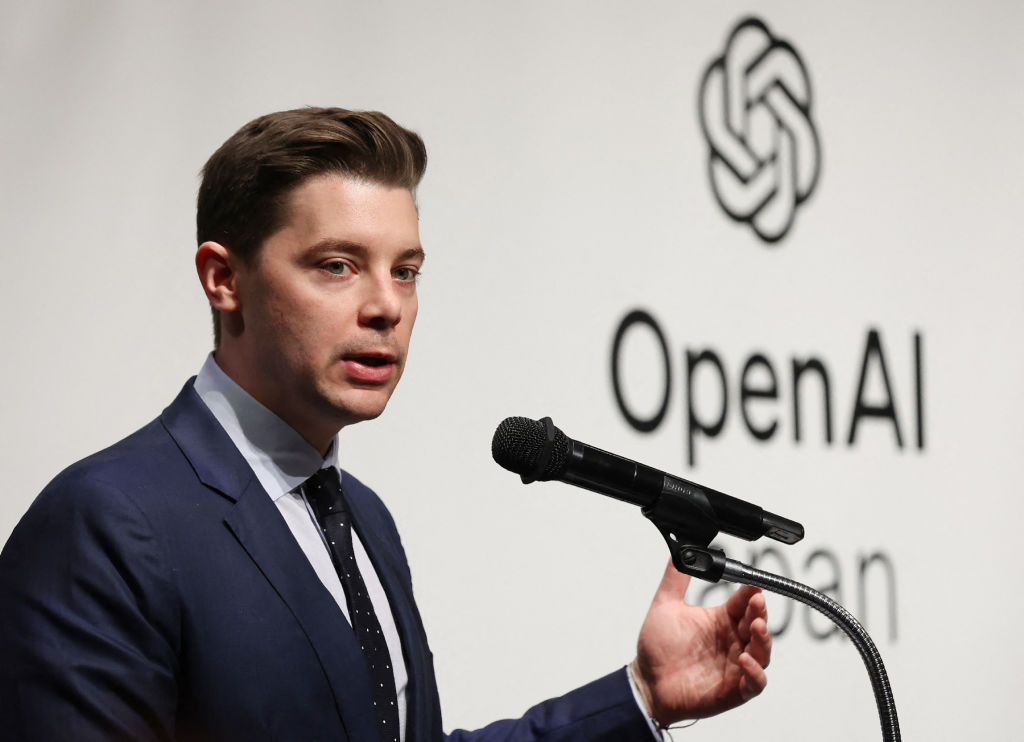
Key Points
- COO Brad Lightcap moves to lead a new "special projects" unit reporting to CEO Sam Altman.
- CEO Fidji Simo takes several weeks of medical leave for a neuroimmune condition.
- CMO Kate Rouch steps down to focus on cancer recovery; OpenAI will seek a new chief marketing officer.
- Former Slack CEO Denise Dresser appointed chief revenue officer, taking over commercial duties.
- Co‑founder Greg Brockman will temporarily oversee product development during Simo's absence.
- OpenAI assures continuity, citing its focus on frontier research, user growth, and enterprise use cases.
OpenAI announced a major executive reshuffle on April 3, 2026. COO Brad Lightcap will leave his operational role to head a new "special projects" unit reporting directly to CEO Sam Altman. CEO Fidji Simo disclosed she is taking several weeks of medical leave for a neuroimmune condition, while chief marketing officer Kate Rouch steps down to focus on cancer treatment. Denise Dresser, former Slack chief executive, assumes the chief revenue officer post, and co‑founder Greg Brockman will temporarily oversee product. The changes aim to preserve momentum on the company’s research and growth agenda.
OpenAI disclosed a sweeping leadership realignment Tuesday, signaling a new phase for the AI‑research firm as it navigates both internal health challenges and a rapidly expanding product roadmap. In a memo obtained by Bloomberg and later confirmed by the company, chief operating officer Brad Lightcap will transition out of day‑to‑day operations to lead a newly created "special projects" group. The unit, described as handling complex deals and investments, will report directly to chief executive officer Sam Altman.
Lightcap’s shift comes as OpenAI’s chief executive, Fidji Simo, announced she will be on medical leave for several weeks. Simo cited a neuroimmune condition that has forced her to step back despite a "exciting roadmap" the team is executing. While she is away, co‑founder and president Greg Brockman will assume responsibility for product development, ensuring continuity across the company’s flagship models and enterprise offerings.
Also departing from her current portfolio, chief marketing officer Kate Rouch will leave the role to concentrate on cancer recovery. The memo indicated Rouch intends to return in a more narrowly scoped position once her health permits, though OpenAI will launch a search for a permanent replacement.
Filling the commercial vacuum left by Lightcap and Rouch, Denise Dresser steps in as chief revenue officer. Dresser, who most recently served as chief executive officer of Slack, brings extensive experience in scaling revenue operations for high‑growth tech firms. Her appointment underscores OpenAI’s focus on translating its near‑billion‑user base into sustainable enterprise revenue streams.
OpenAI’s leadership team emphasized that the reshuffle will not disrupt the company’s core priorities. In a statement to TechCrunch, executives highlighted three pillars: advancing frontier research, expanding the global user base, and powering enterprise use cases. The company claims it remains "well‑positioned to keep executing with continuity and momentum" despite the personnel changes.
The timing of the shuffle coincides with OpenAI’s push to broaden its market reach, including new API offerings and partnerships across sectors ranging from finance to healthcare. By assigning Lightcap to "special projects," the firm signals an intent to pursue strategic acquisitions, joint ventures, or other high‑impact initiatives that could accelerate its competitive edge.
Industry observers note that the move mirrors a broader trend among AI firms to create dedicated units for large‑scale deals, separating them from day‑to‑day product management. Lightcap’s operational background and experience negotiating complex contracts position him well to helm such efforts.
While the leadership changes introduce short‑term adjustments, OpenAI’s board and senior staff appear confident that the organization can sustain its rapid development pace. The company’s user base now approaches one billion, and its enterprise revenue continues to climb, suggesting that the new structure may help translate technical breakthroughs into commercial success.