OpenAI rolls out ChatGPT Images 2.0, adding reasoning to AI picture generation
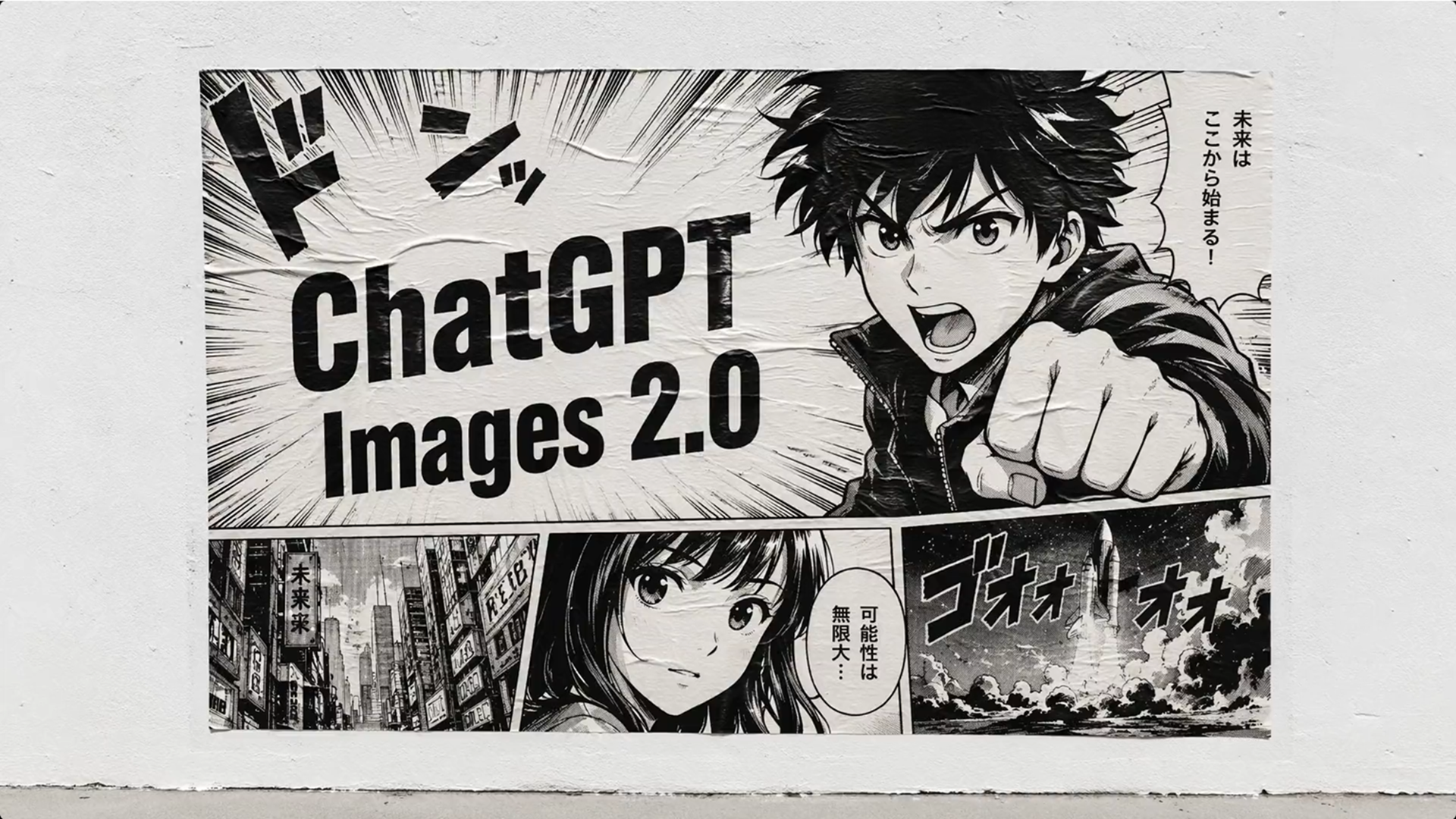
Key Points
- OpenAI releases ChatGPT Images 2.0 with a new reasoning step before image generation.
- Improved handling of text inside images reduces warping and spacing errors.
- Layout instructions are followed more accurately, yielding structured visuals.
- Series of images maintain consistent characters and styles across outputs.
- Slightly longer generation time offsets by higher first‑pass success rates.
- Upgrade narrows the performance gap with Google Gemini in multimodal tasks.
- Developers can expect fewer API calls and lower integration costs.
- OpenAI opens sign‑ups for testing the new model across creative use cases.
OpenAI announced a major upgrade to its ChatGPT image generator, unveiling ChatGPT Images 2.0 in a livestream briefing. The new model introduces a reasoning phase that lets the system parse complex prompts before creating visuals, resulting in more accurate text rendering, consistent styles and better layout control. By treating prompts as instructions rather than suggestions, the update narrows the gap with rival Google Gemini and promises fewer retries for users seeking polished graphics. CEO Sam Altman hailed the leap as a shift comparable to moving from GPT‑3 to GPT‑5 in a single step.
OpenAI unveiled ChatGPT Images 2.0 during a livestream event, positioning the upgrade as a turning point for AI‑generated visuals. The company says the new version moves beyond rapid, surface‑level interpretation to a more deliberate construction process, thanks to an added reasoning step that evaluates prompts before the image is rendered.
That extra layer of analysis translates into tangible improvements. Text embedded in pictures—posters, menus, slides—now appears legible and correctly spaced, a long‑standing pain point for earlier models. Users who asked for specific layouts report that the output respects element placement more reliably, making the system behave like a set of instructions rather than a loose suggestion.
Consistency across multiple images is another highlight. When creators generate a series of pictures from the same idea, the model maintains character recognizability and stylistic coherence, reducing the need for repeated tweaks. Altman likened the leap to jumping from GPT‑3 to GPT‑5 in one go, emphasizing the dramatic boost in visual fidelity.
The reasoning phase works by breaking a prompt into component parts, deciding how they fit together, and then producing an image that reflects that internal plan. It also allows the model to draw on uploaded files or other online sources for added context. The trade‑off is a slightly longer generation time, but OpenAI argues the higher first‑pass success rate saves users time overall.
Industry observers note that the upgrade narrows the performance gap with Google’s Gemini, which has long emphasized multimodal integration. While Gemini still leads in some structured tasks, ChatGPT Images 2.0’s enhanced text handling and layout control bring it closer to parity, intensifying competition in the fast‑moving AI image market.
For developers and businesses, the improvement could mean fewer API calls and lower costs when integrating image generation into products. The update also aligns with broader trends toward unified AI experiences, where text and visual outputs stem from a shared understanding of user intent.
OpenAI has opened sign‑ups for the new model, inviting users to test its capabilities and explore creative applications ranging from marketing collateral to educational graphics. The company hints that future iterations may further blend reasoning with generation, pushing the boundary of what AI can produce without human intervention.