OpenAI launches ChatGPT Images 2.0 with improved non‑Latin text rendering and higher resolution
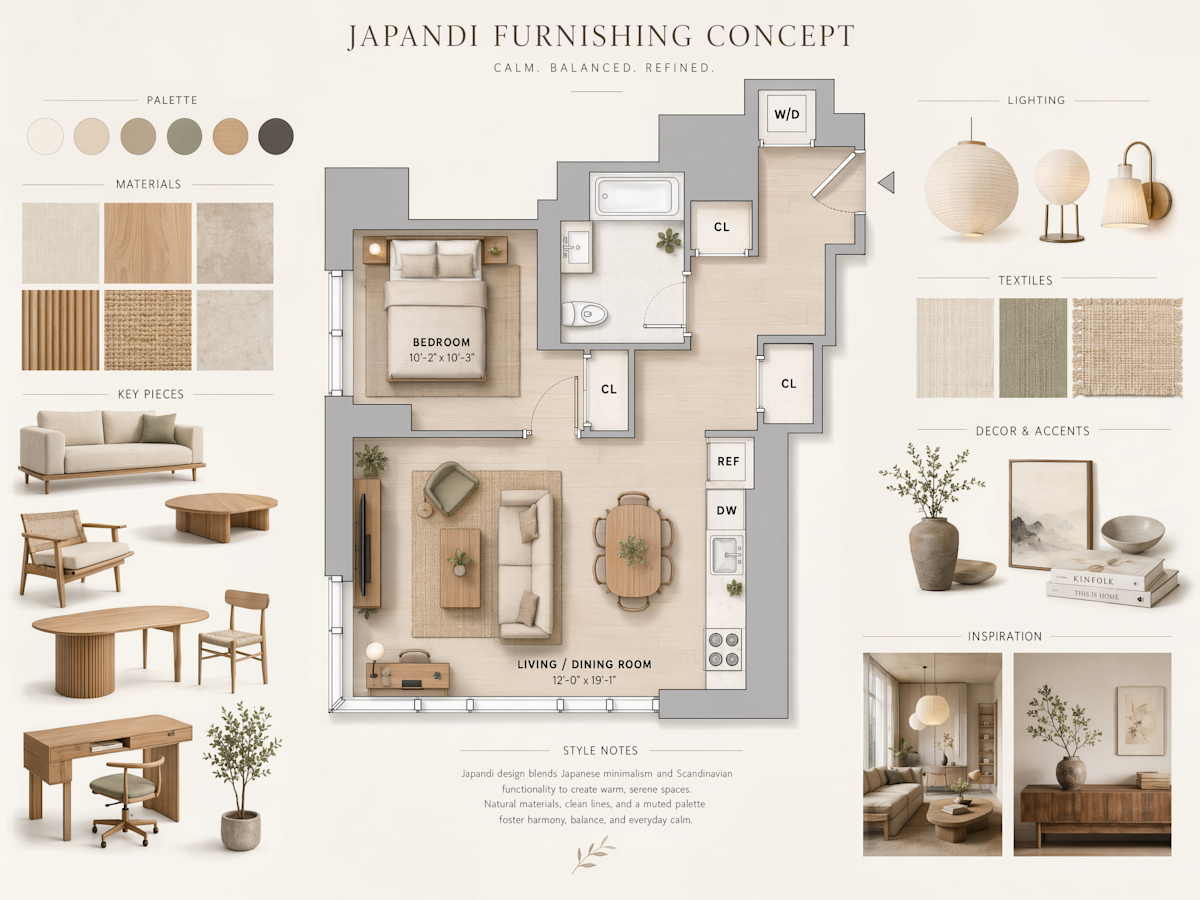
Key Points
- OpenAI releases ChatGPT Images 2.0 to all ChatGPT users, including free tier.
- Model now renders Japanese, Korean, Chinese, Hindi and Bengali text with higher accuracy.
- Supports aspect ratios from 3:1 to 1:3 and resolutions up to 2K.
- Batch generation allows up to eight images per prompt.
- Added reasoning layer can verify outputs by searching the web.
- Available via OpenAI API and Codex coding app.
- Early tests show strong performance on pixel‑art and manga generation.
- Competes with emerging visual AI tools like Google’s Nano Banana 2.
OpenAI has rolled out ChatGPT Images 2.0, a new image‑generation model that promises sharper detail, wider aspect ratios and a marked leap in handling non‑Latin scripts. Available today to all ChatGPT users, the upgrade offers up to 2K resolution, flexible output formats and a reasoning layer that can verify its own results. The company says the model now produces more accurate depictions of Japanese, Korean, Chinese, Hindi and Bengali text, making it a stronger tool for developers, designers and creators who need reliable visual content.
OpenAI unveiled ChatGPT Images 2.0 on Monday, extending its AI‑driven image generation service to every tier of ChatGPT users. The upgrade arrives a little more than a year after the company first let users create pictures directly from the chatbot, and it brings a suite of enhancements that aim to make the tool more dependable for professional and creative work.
Chief among the new features is a "step change" in the model’s ability to follow detailed prompts, especially when those prompts involve dense text or precise object placement. OpenAI highlights significant gains in rendering non‑Latin characters, noting that the model now handles Japanese, Korean, Chinese, Hindi and Bengali scripts with much higher fidelity. This improvement should help designers who need to incorporate authentic text in mockups, storyboards or game assets.
Beyond linguistic accuracy, Images 2.0 expands the visual canvas. Users can request aspect ratios as wide as 3:1 or as tall as 1:3, and the system can generate images up to 2K resolution. The model also supports batch output, producing up to eight variations from a single prompt. For developers, the upgrade is accessible through OpenAI’s API and the Codex coding app, which now includes built‑in image generation.
OpenAI has added a reasoning component to the model, allowing it to search the web and cross‑check its outputs. The company says this layer improves consistency and reduces hallucinations, a persistent challenge for generative AI. Early testers noted that while the model excelled at most tasks, it sometimes deviated from pixel‑art prompts, suggesting room for further refinement.
Creative use cases and early impressions
In a preview, a journalist asked the model to produce a tortoiseshell cat in the pixel‑art style of a third‑generation Pokémon game. The result captured the nostalgic aesthetic, and the system even generated a transparent PNG version—a capability that many image models struggle to deliver. The same prompt was followed by a request for a four‑page manga featuring the cat, which the model assembled with reasonable panel layout and dialogue.
OpenAI says the new model is particularly useful for game prototyping, storyboarding, and any workflow where visual cohesion and textual accuracy are essential. Plus and Pro subscribers receive priority access to the more advanced outputs, while free‑tier users can still experiment with the core capabilities.
Industry observers will compare Images 2.0 with competing systems such as Google’s Nano Banana 2, but OpenAI’s combination of higher resolution, flexible aspect ratios and non‑Latin text support sets a new benchmark for AI‑generated imagery. The rollout comes just days after Anthropic entered the visual design market with its own assistant, intensifying competition in the generative‑AI space.
OpenAI’s move signals a continued push to embed visual creation into its conversational platform, blurring the line between text‑based assistance and full‑fledged design tools. As developers integrate the API into apps and platforms, the real‑world impact of Images 2.0 will become clearer, but the initial launch already suggests a broader role for AI in everyday creative workflows.