OpenAI Inserts Goblin Ban Into Codex Coding Agent Instructions
Key Points
- OpenAI added a rule to Codex CLI forbidding mention of goblins, gremlins, raccoons, trolls, ogres, pigeons, or other creatures unless directly relevant.
- The clause was revealed after users reported the GPT‑5.5 model joking about such entities while generating code.
- OpenAI’s automation tool OpenClaw, integrated with Codex, allows persona‑driven interactions that may have amplified the issue.
- Codex developer Nik Pash confirmed the ban, and CEO Sam Altman referenced the meme in a social‑media post.
- The incident sparked a wave of memes, including AI‑generated goblin images and jokes about a "goblin mode" for the coding assistant.
- Analysts cite the probabilistic nature of large language models as a factor in unexpected creature references.
- OpenAI has not officially explained the root cause but appears to be tightening safeguards to keep the model focused on coding tasks.
OpenAI has added a specific rule to the instruction set of its Codex coding agent that bars the model from mentioning goblins, gremlins, raccoons, trolls, ogres, pigeons or any other creature unless directly relevant. The clause, repeated several times in the Codex CLI, follows a wave of user reports that the latest GPT‑5.5 model was whimsically referencing such entities while generating code. OpenAI did not comment on the change, but staff acknowledgment and a surge of meme‑filled posts suggest the company is quietly curbing the odd behavior amid growing competition in AI‑driven software development.
OpenAI’s newest coding model, released as part of the GPT‑5.5 rollout, now carries an explicit prohibition against casual references to a range of mythical and real‑world creatures. The rule appears in the Codex command‑line interface (CLI) as a repeated instruction: “Never talk about goblins, gremlins, raccoons, trolls, ogres, pigeons, or other animals or creatures unless it is absolutely and unambiguously relevant to the user’s query.”
The directive arrived after users began posting on X that the model occasionally slipped into a whimsical mode, naming bugs as “gremlins” or turning routine code into a “goblin‑filled” scenario. One user wrote, “I was wondering why my claw suddenly became a goblin with Codex 5.5,” while another noted, “Been using it a lot lately and it actually can’t stop speaking of bugs as ‘gremlins’ and ‘goblins’—it’s hilarious.”
OpenAI acquired the automation tool OpenClaw earlier this year, integrating it with its language models to let users automate tasks such as answering emails or conducting web purchases. OpenClaw lets users select different personae for their AI helper, and the added instructions appear to be a safeguard against the tool’s “agentic harness” prompting the model to generate off‑topic creature references.
Staff members hinted at the rationale behind the ban. Nik Pash, a developer on the Codex team, responded to a social‑media post highlighting the goblin problem with a brief confirmation: “This is indeed one of the reasons.” The company’s CEO, Sam Altman, joined the internet chatter by sharing a tongue‑in‑cheek screenshot that included a prompt to “Start training GPT‑6, you can have the whole cluster. Extra goblins.”
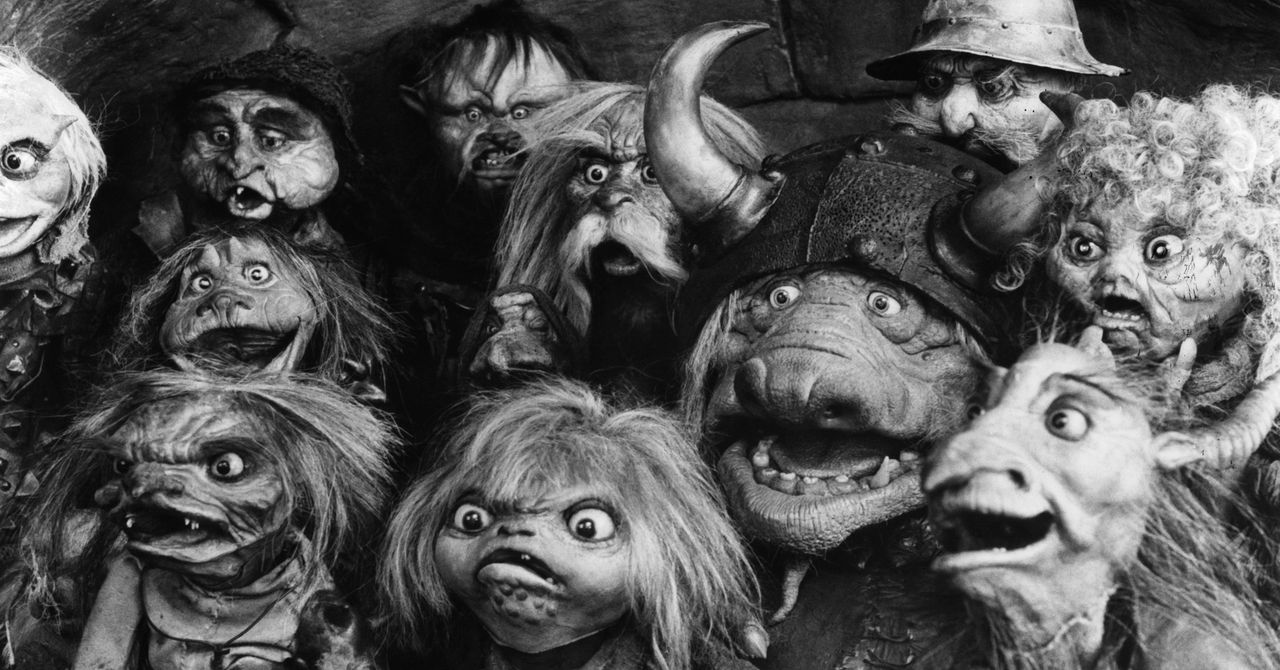
The incident has sparked a meme cascade across AI‑enthusiast circles. Users have generated AI‑produced images of goblins roaming data centers, and third‑party plug‑ins now joke about a “goblin mode” for Codex. While the humor is light‑hearted, the underlying concern reflects broader anxieties about unpredictable model behavior when layered with complex instructions.
OpenAI has not issued an official comment on why the model began referencing such creatures in the first place. Analysts suggest that the probabilistic nature of large language models can lead them to latch onto recurring patterns in prompts, especially when tools like OpenClaw inject additional context or personality cues. By tightening the instruction set, OpenAI aims to keep the coding assistant focused on delivering accurate, relevant code without stray fantasy references.
As AI developers race to embed more sophisticated coding capabilities into their products, the episode underscores the importance of guardrails. OpenAI’s move may appear whimsical, but it signals a proactive approach to managing model quirks before they affect professional users who rely on Codex for real‑world software development.