Microsoft Introduces ‘Mico’, a Human‑Centered Animated Assistant for Copilot
Key Points
- Microsoft adds an animated assistant named Mico to Copilot in Windows 11.
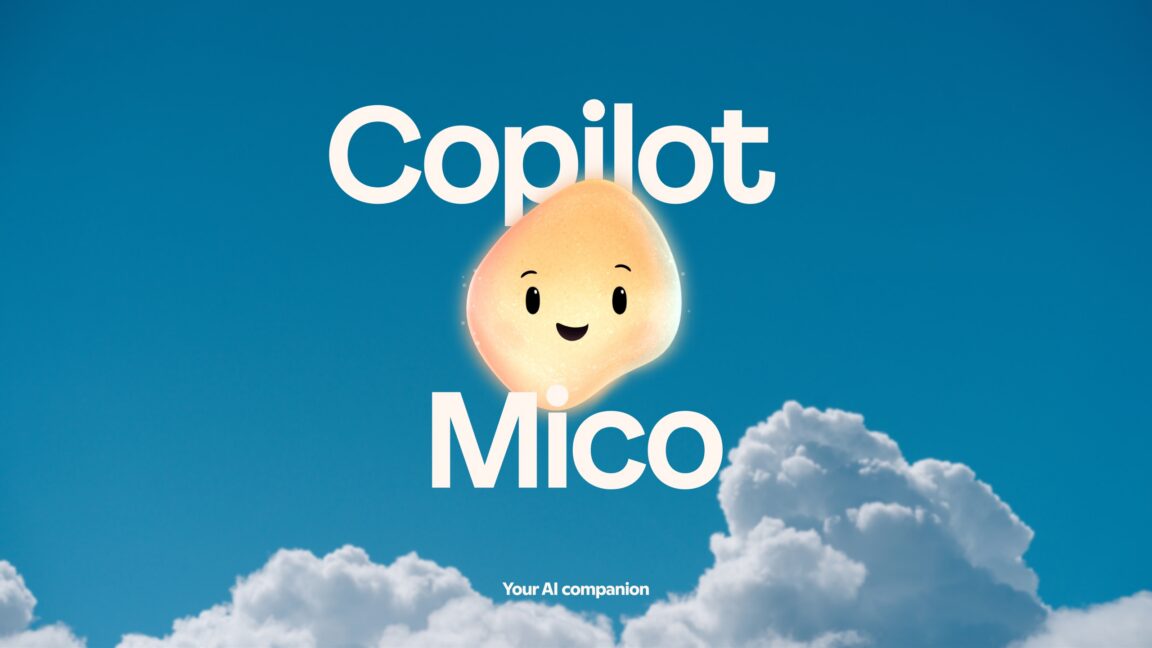
- Mico is a customizable, expressive blob that changes color and reacts to user input.
- The design nods to earlier Microsoft assistants like Clippy, Microsoft Bob, and Rover.
- Mico is optional, letting users enable or disable the visual companion.
- The rollout supports Microsoft’s human‑centered AI strategy and improved voice controls.
- Microsoft aims to overcome past criticisms of limited, intrusive assistants.
- The integration pairs nostalgic visuals with modern language models for richer assistance.
Microsoft is adding a visual, animated companion named Mico to its Copilot AI in Windows 11. Designed as an expressive, customizable blob with a face that reacts to user interactions, Mico aims to make the chatbot feel more human‑centered. The move recalls earlier Microsoft assistants such as Clippy, Microsoft Bob, and Rover, but ties the familiar visual style to modern large‑language models and voice controls. Microsoft hopes the new interface will overcome past criticisms of its digital assistants by providing richer context awareness and a friendlier user experience.
Microsoft’s New Visual Companion for Copilot
Microsoft announced that its Copilot feature in Windows 11 will now include a visual, animated assistant called Mico. Described as an "expressive, customizable, and warm" blob, Mico displays a face that dynamically listens, reacts, and even changes colors to reflect user interactions. The design is optional, allowing users to enable or disable the animated companion according to personal preference.
Building on Past Assistant Concepts
Mico’s appearance evokes earlier Microsoft digital assistants such as Clippy, Microsoft Bob, and Rover—interfaces that were introduced in the 1990s and early 2000s. While those earlier agents were often criticized for limited responsiveness, Microsoft believes that integrating the nostalgic visual style with today’s advanced language and reasoning models will give Copilot a more helpful and engaging presence.
Human‑Centered AI Strategy
The rollout aligns with Microsoft’s broader "human‑centered AI" strategy. Earlier this month, the company expressed a desire to improve voice controls for Copilot, positioning the new visual assistant as part of a holistic effort to make the AI more intuitive and approachable. By giving Copilot a face that can react in real time, Microsoft aims to create a sense of partnership rather than a static, text‑only tool.
Addressing Past Criticisms
Microsoft acknowledges that prior assistants like Cortana and Clippy were often viewed as intrusive or unhelpful because they could respond only to a narrow set of inputs. The new approach seeks to overcome those limitations by leveraging large‑language models that can interpret broader context and provide more relevant assistance. The dynamic visual feedback from Mico is intended to signal that the system is actively listening and adapting, reducing the perception of annoyance that plagued earlier agents.
Potential Impact on User Experience
By combining a familiar, friendly visual element with cutting‑edge AI capabilities, Microsoft hopes to increase user adoption of Copilot in Windows 11. The optional nature of Mico allows users who prefer a traditional, text‑based interaction to continue using Copilot without visual distractions, while those who enjoy a more animated experience can enable the assistant. This flexibility reflects Microsoft’s commitment to catering to diverse user preferences while pushing forward its vision of human‑centered artificial intelligence.