Microsoft Expands Edge Copilot Mode Amid AI Browser Race with OpenAI's Atlas
Key Points
- Microsoft adds "Actions" and "Journeys" to Edge Copilot Mode, enabling task automation and tab‑connection insights.
- Copilot Mode can, with permission, view open tabs, summarize content, and perform actions like bookings.
- Mustafa Suleyman describes the feature as an "intelligent companion" within the browser.
- The upgrade follows OpenAI's launch of the Atlas AI browser, highlighting a competitive push.
- Both browsers share visual design elements, but differ in underlying AI models.
- Edge's Copilot Mode originally debuted with basic search and voice navigation features.
Microsoft introduced a fresh set of capabilities for its Edge browser’s Copilot Mode, positioning it as an AI‑driven companion that can view and reason over open tabs, summarize content, and perform actions like filling forms or booking hotels. The rollout, which follows a similar launch of OpenAI’s Atlas browser, adds new “Actions” and “Journeys” features and builds on the earlier July debut of basic Copilot functionality. The move underscores a growing competition to embed artificial intelligence directly into web browsers.
Microsoft Unveils Enhanced Edge Copilot Mode
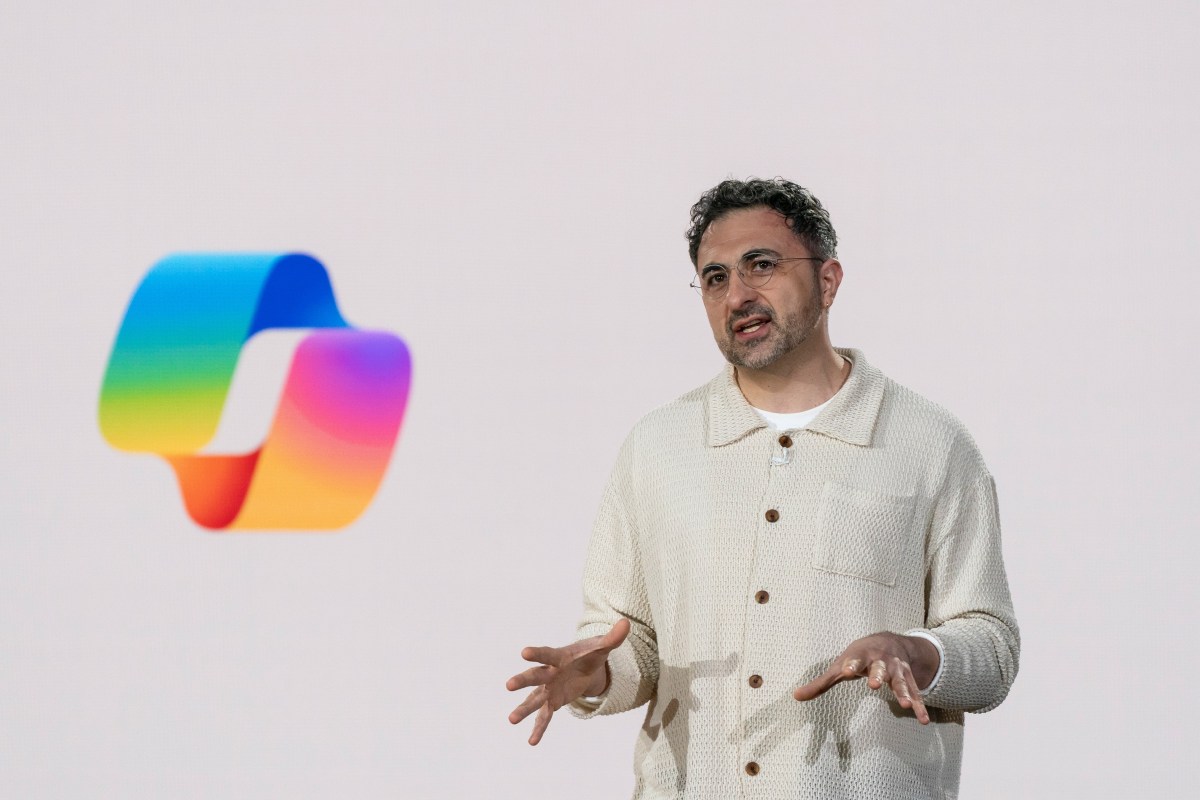
Microsoft announced a new batch of features for its AI assistant integrated into the Edge browser, branding the offering as Copilot Mode. The company describes the mode as an "intelligent companion" that, with user permission, can see and reason over open tabs, summarize information, and take actions such as booking a hotel or completing forms. Mustafa Suleyman, the head of Microsoft AI, emphasized that the product is evolving into a dynamic AI browser.
New Features: Actions and Journeys
While Copilot Mode originally launched in July with basic tools like a search bar on new tabs and natural‑voice navigation, the latest enhancements introduce two key functionalities. “Actions” let the AI fill out forms and automate tasks, while “Journeys” enable it to trace connections across the user’s open tabs, offering deeper contextual insights. These additions aim to make the AI assistant more proactive and useful during everyday browsing.
OpenAI's Atlas and Industry Context
The announcement arrives just two days after OpenAI unveiled its own AI‑focused browser, Atlas. Visual comparisons show striking similarities between the two products, from the layout of the chatbot window to the overall aesthetic. However, the underlying language models differ, which may affect performance and user experience. Both companies are racing to embed AI directly into browsers, a space that previously saw limited innovation.
Implications for the AI Browser Competition
The parallel releases highlight a heightened competition in the AI‑driven browsing arena. While Microsoft’s Copilot Mode had been available on an opt‑in basis with modest attention, the expanded feature set and high‑profile launch suggest a strategic push to capture market share. OpenAI’s Atlas, despite sharing visual cues, may differentiate itself through its proprietary models. For users, the key distinction will likely be how effectively each assistant can understand context and execute tasks, rather than superficial design similarities.
Overall, Microsoft’s enhancements to Edge Copilot Mode signal a commitment to making AI an integral part of the web‑browsing experience, positioning the company alongside OpenAI in the emerging AI browser landscape.