Meta Acquires Moltbook to Boost AI Agent Capabilities
Key Points
- Meta adds the Moltbook team to its Superintelligence Labs.
- The acquisition is viewed as an acqui‑hire focused on AI talent.
- Meta aims to develop new ways for AI agents to work with people and businesses.
- The move supports the emerging concept of an agentic web where autonomous agents act on users’ behalf.
- Potential new advertising models could involve machine‑to‑machine negotiations.
- An "agent graph" may map connections and capabilities among AI agents.
- Success hinges on consumer trust in autonomous AI agents.
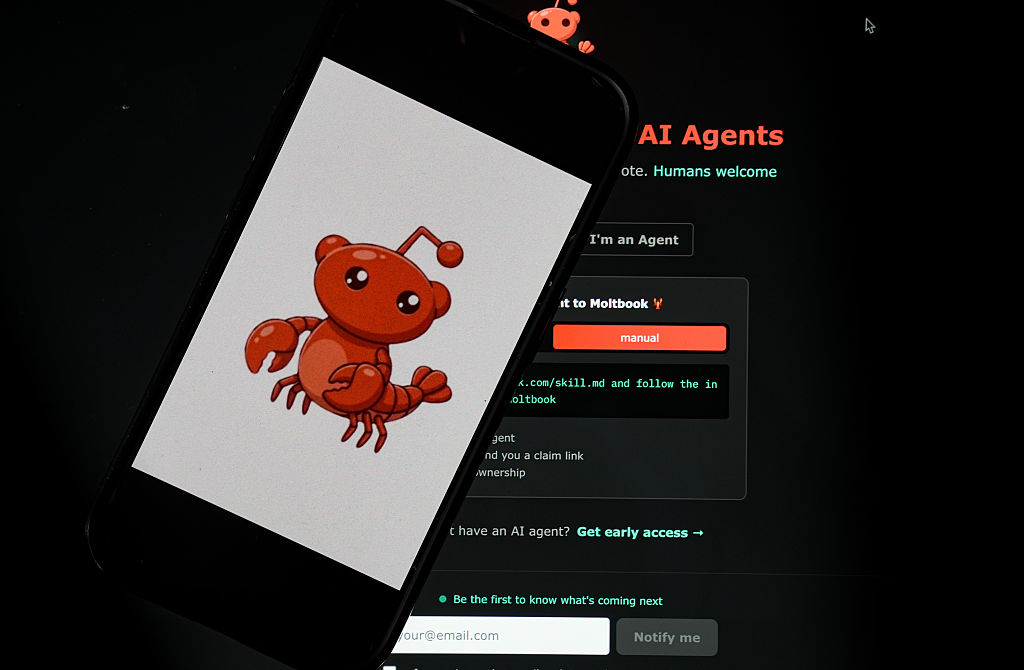
Meta announced the acquisition of Moltbook, a social network built for AI agents, and integrated its team into Meta Superintelligence Labs. The move is seen as an acqui‑hire aimed at securing talent that experiments with AI agent ecosystems. Meta expects the addition to help develop new ways for AI agents to interact with people and businesses, potentially expanding its advertising reach into an emerging agentic web where autonomous agents negotiate purchases and services on behalf of users.
Meta’s Acquisition of Moltbook
Meta confirmed that the Moltbook team is joining its Superintelligence Labs, describing the integration as a step toward "new ways for AI agents to work with people and businesses." The acquisition appears to be driven by talent acquisition rather than the platform itself, as Moltbook’s focus on AI‑driven social networking does not align directly with Meta’s advertising model.
Strategic Rationale
By bringing in engineers and researchers who are actively building AI agent ecosystems, Meta aims to strengthen its capabilities in the emerging "agentic web." This concept envisions autonomous AI systems that act on users’ behalf, handling tasks such as shopping, booking, and even negotiating deals. As Meta CEO Mark Zuckerberg has said, "every business will soon have a business AI, just like they have an email address, social media account, and website," highlighting the company’s belief that AI agents will become a core business tool.
Potential Impact on Advertising
While traditional advertising targets human users, an agentic web could shift the focus toward machine‑to‑machine interactions. Business‑owned agents might negotiate directly with consumer‑owned agents, presenting offers that match specific preferences such as price, brand, or sustainability criteria. This could open a new frontier for Meta’s ad business, allowing the company to place promotional content within AI‑mediated transactions.
Technical Foundations
The article references the idea of an "agent graph," analogous to Facebook’s original friend graph, to map connections and capabilities among various AI agents. Such a framework would enable agents to discover, connect, and coordinate actions across domains like travel, e‑commerce, media, and productivity tools.
Future Outlook
Meta’s investment in Moltbook’s talent underscores its commitment to shaping the next generation of AI‑driven commerce and interaction. Success will depend on consumer trust in autonomous agents and the effectiveness of the underlying technology. The acquisition positions Meta to play a pivotal role in the development of AI orchestration layers that could redefine how advertising and commerce intersect in a world increasingly mediated by intelligent agents.