Iran’s IRGC threatens OpenAI’s Abu Dhabi data center amid US‑Iran tensions
Key Points
- IRGC released a video on April 3 warning it will target OpenAI's Abu Dhabi data center if the U.S. attacks Iranian power plants.
- The clip promises "complete and utter annihilation" of U.S.-linked energy and tech firms in the region.
- OpenAI's Stargate project, valued at $500 billion, includes a $30 billion Abu Dhabi facility slated for 200 MW of capacity by 2026.
- Construction was reported as "well underway" in an October 2025 update, but the IRGC provided no details on progress.
- The video misidentifies Cisco’s Jeetu Patel as Microsoft CEO Satya Nadella.
- President Donald Trump threatened Iran with "Power Plant Day" and "Bridge Day" if Tehran does not reopen the Strait of Hormuz.
- Iran's foreign ministry responded, vowing to defend national security with "all might".
- OpenAI has not commented on the IRGC threat or potential impacts on its timeline.
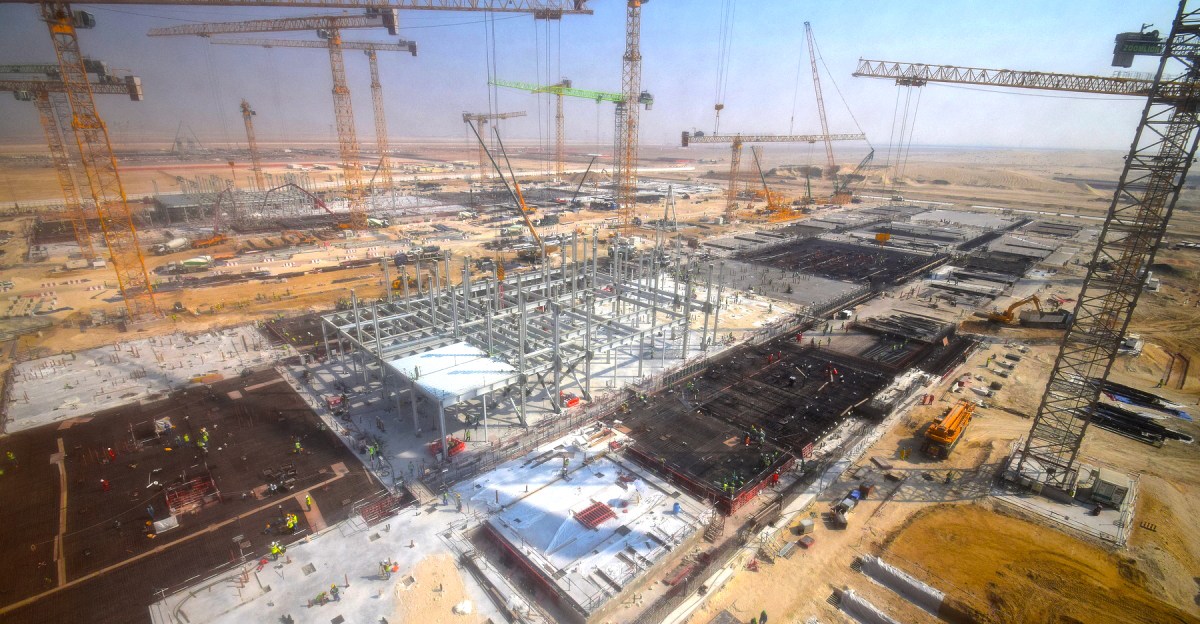
The Islamic Revolutionary Guard Corps released a video on April 3 warning it would target OpenAI’s planned Abu Dhabi data center if the United States proceeds with threats to strike Iranian power plants. The clip, posted to a state‑backed Iranian news outlet’s X account, threatened “complete and utter annihilation” of U.S.-linked energy and technology firms in the region and displayed satellite imagery of the $30 billion Stargate facility. OpenAI has not commented, and the warning comes as President Donald Trump escalated rhetoric against Tehran.
Iran’s Islamic Revolutionary Guard Corps (IRGC) posted a stark warning on X on April 3, declaring it would destroy any U.S.-linked energy or technology installations in the United Arab Emirates if Washington follows through on threats to hit Iranian power plants. The video, shared through an Iranian state‑backed news outlet, featured a caption promising “complete and utter annihilation” and then cut to an image of OpenAI’s under‑construction Abu Dhabi data center.
The facility is part of OpenAI’s massive Stargate project, a $500 billion effort that pools capital from Oracle, Nvidia, Cisco and SoftBank. While the overall budget is public, the Abu Dhabi site alone carries a $30 billion price tag and is slated to host 16 gigawatts of compute power once finished. An October 2025 update indicated construction was “well underway,” with a target of deploying 200 megawatts of capacity by 2026. The IRGC’s footage, however, offered no confirmation of how much of the site is actually complete.
In addition to the threat, the video displayed a photo of the executives backing the project, but mistakenly identified Cisco’s chief product officer, Jeetu Patel, as Microsoft CEO Satya Nadella. Analysts noted the error underscored the rushed nature of the propaganda, yet the core message remained clear: Iran would retaliate against any U.S. action that jeopardizes its energy infrastructure.
The warning arrived amid a flare‑up in U.S.‑Iran relations. Over the weekend, former President Donald Trump used his Truth Social platform to warn Tehran that “Tuesday will be Power Plant Day and Bridge Day” if Iran does not reopen the Strait of Hormuz. He later told ABC News the United States was prepared to “blow up the entire country” unless a deal was reached. Iran’s foreign ministry responded on Monday, pledging to defend its national security and sovereignty with “all might.”
OpenAI has not responded to requests for comment from The Verge or other outlets. The company’s silence leaves observers to wonder how the threat might affect the timeline for the Abu Dhabi data center, which is critical to the firm’s plan to scale AI workloads beyond its U.S. facilities. Industry insiders say geopolitical risk is already factored into large‑scale AI infrastructure projects, but a direct threat to a specific site could prompt investors to reassess exposure.
For now, the IRGC’s video adds a new layer of uncertainty to an already volatile region. While the United States has not announced any imminent strikes on Iranian power plants, the rhetoric suggests a potential escalation. If Washington proceeds, the Abu Dhabi data center could become a flashpoint, drawing attention from both tech investors and security analysts who monitor the intersection of AI development and international conflict.