Inside Amazon’s Austin Chip Lab: The Trainium Story and Its Impact on AI Partnerships
Key Points
- Amazon’s AWS organized a private tour of its Austin chip lab, led by Kristopher King and Mark Carroll.
- Trainium chips, originally for training, now power inference for services like Bedrock.
- More than 1.4 million Trainium chips have been deployed across three generations.
- Anthropic’s Claude runs on over 1 million Trainium2 chips; OpenAI will receive 2 gigawatts of capacity under a $50 billion deal.
- Trainium3, a 3‑nanometer chip, offers up to 50% lower operating cost and uses a mesh network to reduce latency.
- Apple praised related AWS chips, and a partnership with Cerebras adds another inference chip to Trainium servers.
- Engineers can switch models to Trainium with a simple PyTorch change.
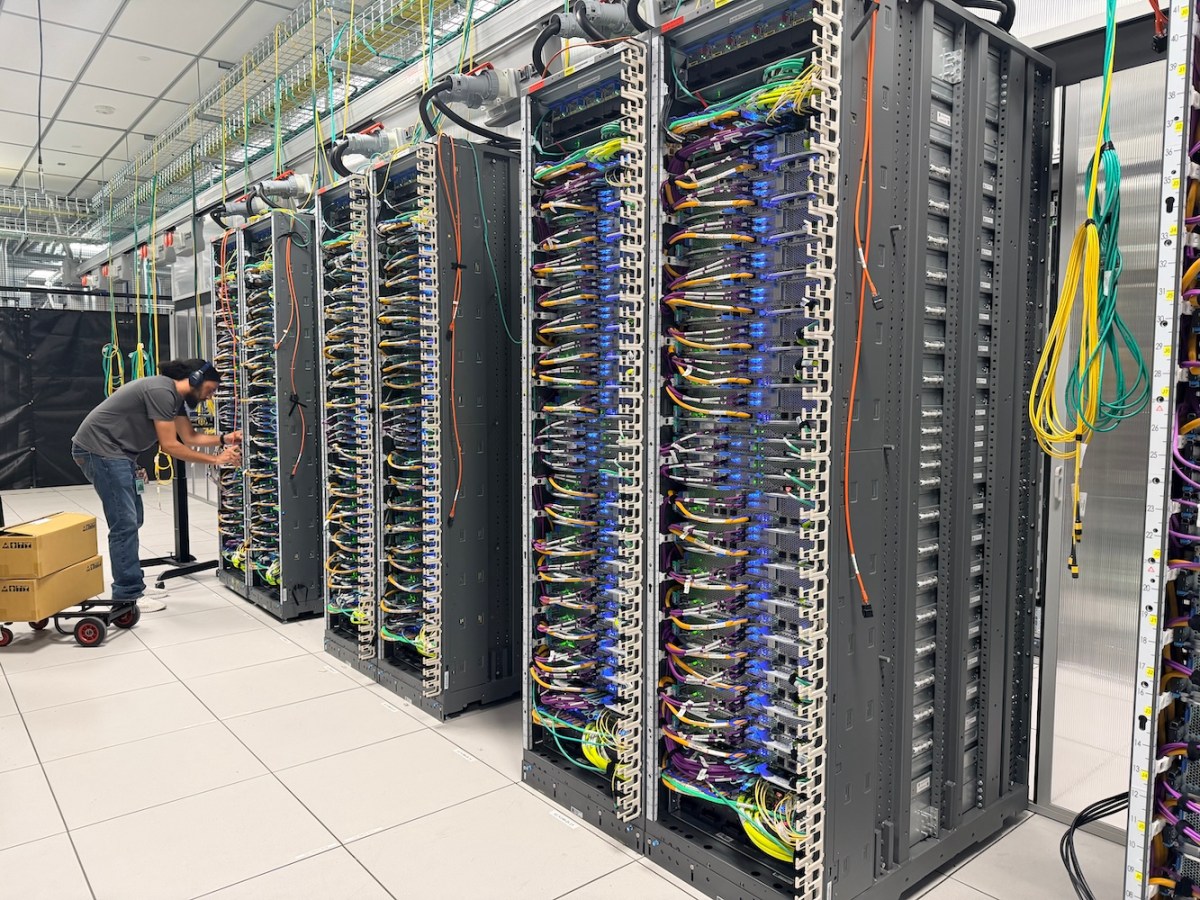
- The lab includes a welding station, custom testing equipment, and a private data center with liquid‑cooled servers.
- CEO Andy Jassy highlighted Trainium as a multibillion‑dollar business and a key part of AWS’s AI strategy.
Amazon invited a journalist on a private tour of its Austin chip lab, showcasing the development of the Trainium AI processor family. Lab leaders Kristopher King and Mark Carroll explained how Trainium, originally built for training, now powers inference for services like Bedrock and supports major partners such as Anthropic, OpenAI, and Apple. The lab’s work includes custom servers, liquid‑cooled chips, and a mesh network that reduces latency. Engineers described the intense silicon bring‑up process, welding stations, and a private testing data center. CEO Andy Jassy highlighted Trainium as a multibillion‑dollar business driving AWS’s AI strategy.
Tour Overview
Amazon’s cloud division, AWS, arranged a behind‑the‑scenes visit to its chip design lab in Austin’s Domain district. The tour was led by lab director Kristopher King, director of engineering Mark Carroll, and PR coordinator Doron Aronson. The team showed the facility where Trainium chips are brought to life, a space filled with industrial fans, testing rigs, and a welding station. While the lab does not manufacture the silicon, it is where the first activation and validation of each chip generation occurs.
Trainium’s Evolution
Originally created to accelerate model training, Trainium has shifted to also handle inference, the process of generating AI responses. The second generation, Trainium2, now powers the majority of inference traffic on AWS’s Bedrock service and runs on more than one million chips for Anthropic’s Claude model. The latest version, Trainium3, is a 3‑nanometer design produced by TSMC and can deliver comparable performance at up to 50% lower operating cost. Combined with custom Neuron switches, the chips communicate in a mesh configuration that cuts latency.
Strategic Partnerships
AWS’s chip portfolio underpins several high‑profile AI collaborations. Anthropic has long relied on Amazon’s cloud, and its Claude model runs on a large fleet of Trainium2 chips. A new $50 billion agreement with OpenAI makes AWS the exclusive provider of OpenAI’s Frontier AI‑agent builder and promises 2 gigawatts of Trainium capacity for the startup. Apple publicly praised related AWS chips such as Graviton and Inferentia, and a recent partnership with Cerebras integrates Cerebras’ inference chip into Trainium‑based servers.
Engineering Challenges
Bringing a new silicon design to life involves intense, round‑the‑clock effort. During the Trainium3 bring‑up, engineers discovered a mis‑aligned cooling mount and had to grind metal on‑site to correct it. The lab also features a welding station for microscopic component work and a suite of custom testing tools. Engineers highlighted that moving a model to Trainium often requires only a one‑line change in PyTorch before recompilation.
Future Outlook
CEO Andy Jassy has repeatedly called Trainium a multibillion‑dollar business and one of the most exciting AWS technologies. The team is already designing Trainium4 while supporting massive deployments such as Project Rainier, a cluster of 500,000 chips launched in late 2025 for Anthropic. A private data center near the lab houses liquid‑cooled servers that reuse coolant to reduce environmental impact. The engineers’ dedication—working 24/7 around each bring‑up—signals Amazon’s commitment to challenging Nvidia’s dominance in the AI chip market.