Google Introduces TurboQuant AI Memory Compression Algorithm
Key Points
- Google Research announced TurboQuant, a new AI memory compression algorithm.
- TurboQuant reduces the KV cache size by at least six times without losing accuracy.
- The method uses vector quantization, combining PolarQuant and QJL techniques.
- Online communities liken TurboQuant to the fictional "Pied Piper" compression tool.
- Industry observers compare the breakthrough to efficiency gains seen with DeepSeek.
- TurboQuant is still a lab‑stage technology and has not been widely deployed.
- The research will be presented at the ICLR 2026 conference next month.
Google Research announced TurboQuant, an AI memory compression technique that dramatically reduces the working memory needed for inference. Using vector quantization, the method can shrink the KV cache by at least six times without harming performance. The breakthrough, likened by some online to the fictional “Pied Piper” compression tool, will be presented at the ICLR 2026 conference. While still in the lab stage, TurboQuant promises cheaper AI operation and could help address memory bottlenecks in AI systems.
Google Unveils TurboQuant
Google Research revealed a new AI memory compression algorithm named TurboQuant. The technology applies a form of vector quantization to the KV cache that stores working memory during inference, allowing the cache to be reduced by at least six times while preserving accuracy.
Public Reaction and Cultural Reference
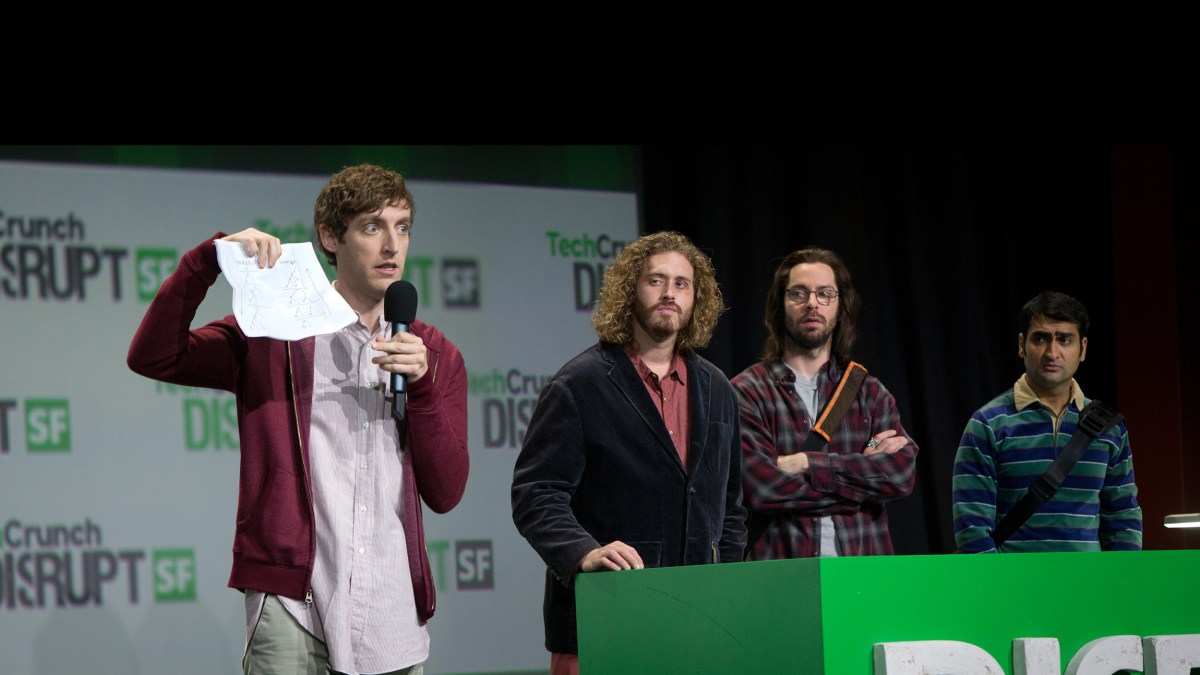
Online observers quickly compared TurboQuant to the fictional compression startup "Pied Piper" from the HBO series Silicon Valley. The nickname reflects the perception that TurboQuant, like the show's technology, could dramatically shrink data sizes without loss.
Technical Details
TurboQuant combines two methods: a quantization technique called PolarQuant and a training/optimization approach named QJL. Together they aim to clear cache bottlenecks that limit AI performance.
Potential Impact
If deployed broadly, TurboQuant could make AI inference cheaper by lowering memory requirements. Some industry leaders likened the breakthrough to a "DeepSeek moment," suggesting it could deliver efficiency gains similar to those achieved by the Chinese AI model that was trained at a fraction of the usual cost.
Current Status
At present, TurboQuant remains a laboratory breakthrough and has not yet seen wide deployment. It targets inference memory rather than the massive RAM needs of AI training, meaning it addresses a specific bottleneck without solving the broader memory challenges of model development.
Future Plans
Google plans to present its findings at the ICLR 2026 conference next month, where the research community will learn more about the algorithm and its underlying methods.