Google folds NotebookLM into Gemini, turning chats into a live research hub
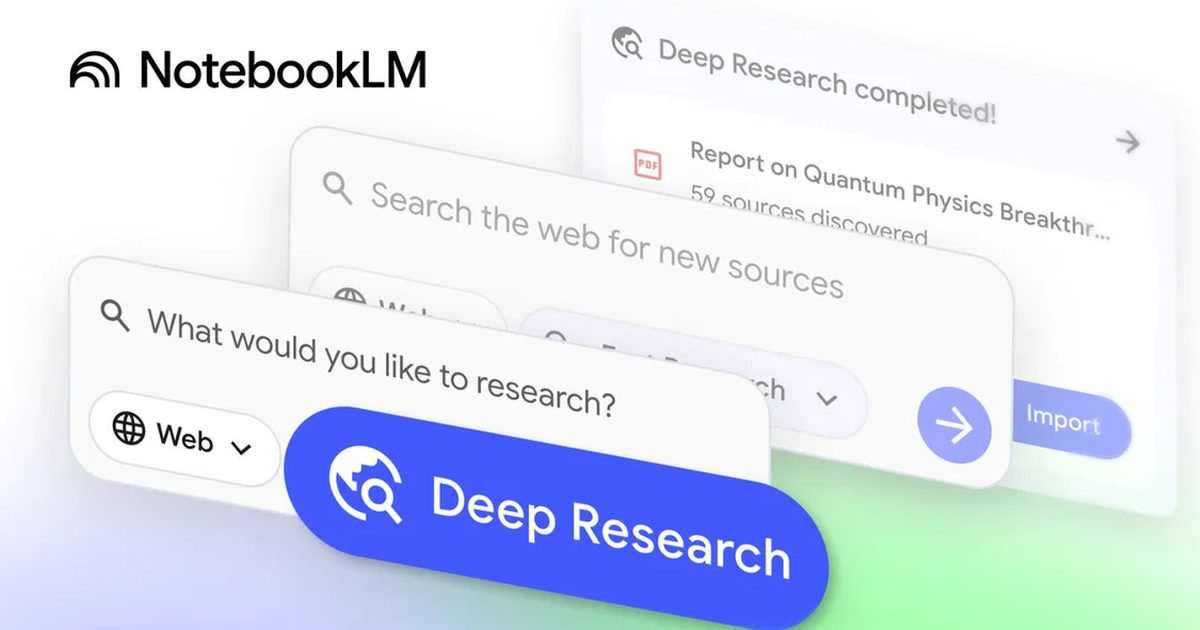
Key Points
- Google integrates NotebookLM directly into Gemini for web users on Ultra, Pro and Plus plans.
- Subscribers can upload up to 100 sources for free and organize them into collections.
- Collections provide live context, automatically influencing Gemini's replies.
- Past conversations can be turned into reusable collections, reducing repetitive input.
- Feature currently limited to paid tiers; mobile support and free‑tier rollout pending.
- Effectiveness depends on users' ability to keep notebooks well organized.
- Integration marks a move toward persistent memory in AI chat tools.
Google has embedded its NotebookLM feature directly into Gemini, allowing subscribers to pull saved notebooks into conversations without leaving the app. The update, rolling out today for web users on the Ultra, Pro and Plus plans, lets users upload up to 100 sources for free, organize chats into collections and treat past interactions as reusable context. Mobile support and broader availability are slated for later, while free‑tier users remain excluded for now.
Google is reshaping its AI offering by merging NotebookLM with Gemini, its flagship chatbot. Starting today, the integration appears for web users on the Ultra, Pro and Plus subscription tiers. Instead of toggling between separate products, users can now open existing notebooks inside Gemini, upload up to 100 sources at no charge and weave those documents into ongoing conversations.
The change goes beyond a simple file attachment. Collections—groups of notebooks, documents or past chats—act as live context. When a user selects a collection, Gemini draws on its contents automatically, tailoring responses without the need to paste or re‑type information. The system also lets users fold previous conversations into collections, turning dialogue history into reusable input for new queries.
Google frames the rollout as a step toward a "second brain" for users, a workspace where research and chat reinforce each other over time. By keeping saved material alongside prompts, Gemini can maintain continuity across tasks, reducing repetitive inputs and streamlining longer projects.
For now, the feature is limited to higher‑tier subscribers accessing Gemini through a web browser. Mobile support is on the horizon, but the company has not announced a timeline for free users or broader rollout. Analysts note that the usefulness of the new live‑context capability hinges on how well users organize their notebooks; cluttered or poorly labeled collections could blunt the system’s effectiveness.
The integration builds on last year’s move that let NotebookLM serve as a source for Gemini. That earlier step allowed users to add notebooks as references, but the material remained static. Today’s update makes those references active, letting the AI draw directly from the content as the conversation unfolds.
Industry observers see the development as part of a broader shift toward AI tools that retain memory and provide persistent context. Competitors may feel pressure to match Gemini’s ability to blend research assets with chat in real time. Google’s next steps likely involve expanding mobile access, ironing out organizational quirks and eventually opening the feature to its free‑tier audience.