Elon Musk's Lawsuit Against OpenAI Moves to Trial, Raising Stakes for AI Governance
Key Points
- Elon Musk's lawsuit against OpenAI proceeds to trial.
- Musk alleges OpenAI abandoned its nonprofit mission for profit.
- The case questions the legality of OpenAI's hybrid nonprofit‑for‑profit structure.
- A Musk victory could force leadership changes and a corporate overhaul.
- OpenAI argues the shift was necessary to fund expensive AI development.
- Potential outcomes include industry‑wide regulatory scrutiny or validation of current models.
- Trial may reveal internal communications shaping public perception of AI governance.
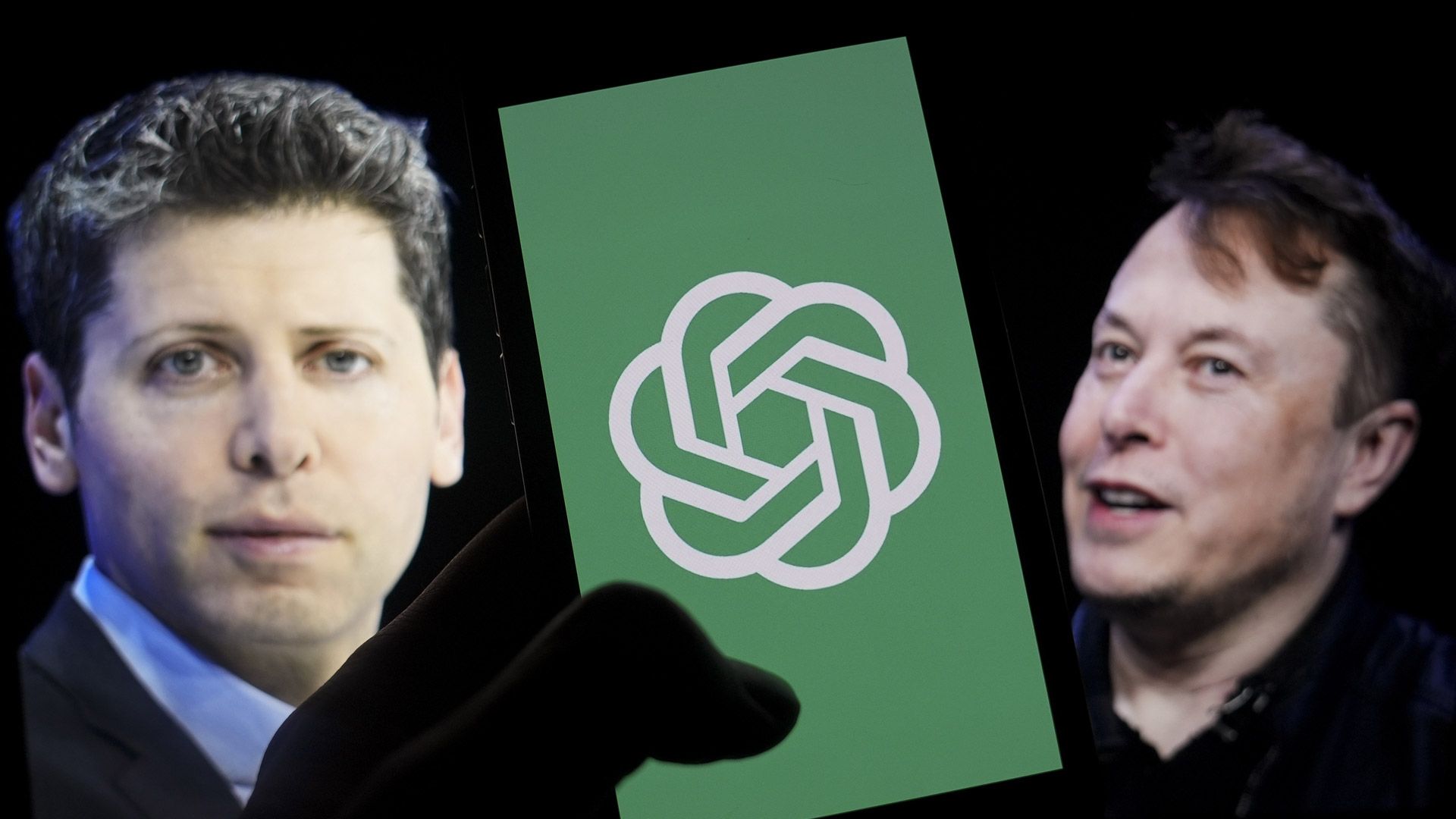
Elon Musk has taken his lawsuit against OpenAI to trial, accusing the company of abandoning its original nonprofit mission and turning into a profit‑driven enterprise. The case, which pits Musk against OpenAI’s chief executive Sam Altman, centers on whether the firm’s shift violates the law. A court‑ordered overhaul could reshape OpenAI’s leadership, funding structure, and product roadmap, with ripple effects for users and the broader artificial‑intelligence industry.
Elon Musk’s legal battle with OpenAI is now set for trial, thrusting the company’s governance and mission into the public spotlight. The billionaire entrepreneur argues that OpenAI, which started as a nonprofit dedicated to the broad benefit of humanity, has drifted into a profit‑focused model that contravenes its founding charter. Musk’s complaint seeks a court‑ordered restructuring that could unwind parts of the organization and remove key leaders, including CEO Sam Altman.
The lawsuit hinges on a fundamental question: did OpenAI’s transition to a hybrid nonprofit‑for‑profit structure breach legal obligations? Musk contends that the shift was unnecessary and that the company’s current trajectory prioritizes commercial gain over public good. OpenAI counters that the change was essential to compete in an industry where training cutting‑edge models demands billions of dollars and massive computing resources.
If a judge sides with Musk, the ramifications could be swift and far‑reaching. A court‑ordered overhaul might trigger leadership changes, a reevaluation of funding streams, and a slowdown in product development as the firm navigates internal upheaval. Projects that are mid‑development could stall, and users might notice a dip in new features or a shift toward more safety‑oriented tools. The outcome could also embolden regulators and industry stakeholders to push for similar reforms across the AI sector, potentially tightening oversight and slowing the pace of innovation.
Conversely, a victory for OpenAI would cement the legality of its current hybrid model, giving the company a green light to deepen partnerships and pour additional capital into the infrastructure needed for ever‑more powerful models. While this path promises rapid advancements and broader availability of AI tools, it also raises concerns about increased monetization and tighter control over proprietary technology. Consumers could benefit from more capable applications, but the most advanced features might remain locked behind paywalls or tied to specific platforms.
Regardless of the verdict, the trial is expected to surface internal communications and strategic decisions rarely seen outside executive circles. That level of transparency could shape public perception of both parties and influence how AI systems are funded, governed, and delivered to end users. The clash between nonprofit ideals and commercial realities, while abstract in legal filings, will ultimately determine who controls the AI models that power everyday applications.
For now, the courtroom drama serves as a high‑profile showdown between two of tech’s most recognizable figures. While headlines will focus on the personalities involved, the true impact will be measured in the tools people use daily and the trust they place in those tools. Whether the industry emerges with a more transparent, public‑benefit focus or continues down a profit‑driven trajectory remains to be seen, but the trial’s reverberations will be felt well beyond the legal arena.