Could AI Data Centers Be Moved to Outer Space?
Key Points
- AI data centers consume massive electricity and water, creating environmental and community concerns.
- Space‑based data centers could use constant solar power and avoid traditional cooling systems.
- Radiative cooling in a vacuum is less efficient for large structures due to surface‑to‑volume constraints.
- Scaling up to megawatt‑level power would require extensive radiator panels, increasing launch mass and cost.
- A swarm of small satellites offers a better area‑to‑volume ratio but adds to orbital congestion.
- Existing low‑Earth‑orbit traffic already poses collision risks for any large new constellation.
- The concept is technically feasible but faces steep engineering, financial, and safety hurdles.
Rapidly expanding AI data centers are draining electricity and millions of gallons of water, prompting communities to push back. Some engineers suggest launching computing facilities into low‑Earth orbit, where solar power is constant and the vacuum eliminates conventional cooling needs. While space offers abundant sunlight, the physics of radiative heat loss means larger structures quickly become inefficient. Proponents therefore favor swarms of small satellites rather than massive orbital warehouses, but the crowded orbital environment raises collision concerns. The concept remains technically possible but faces steep engineering and cost hurdles.
Energy and Water Challenges on Earth
AI‑driven data centers are being built at a frantic pace, consuming electricity comparable to a large share of U.S. households and relying on water‑evaporation cooling that can use millions of gallons per day. This intense demand raises utility costs, strains local water supplies, and fuels opposition from nearby towns.
The Space Proposition
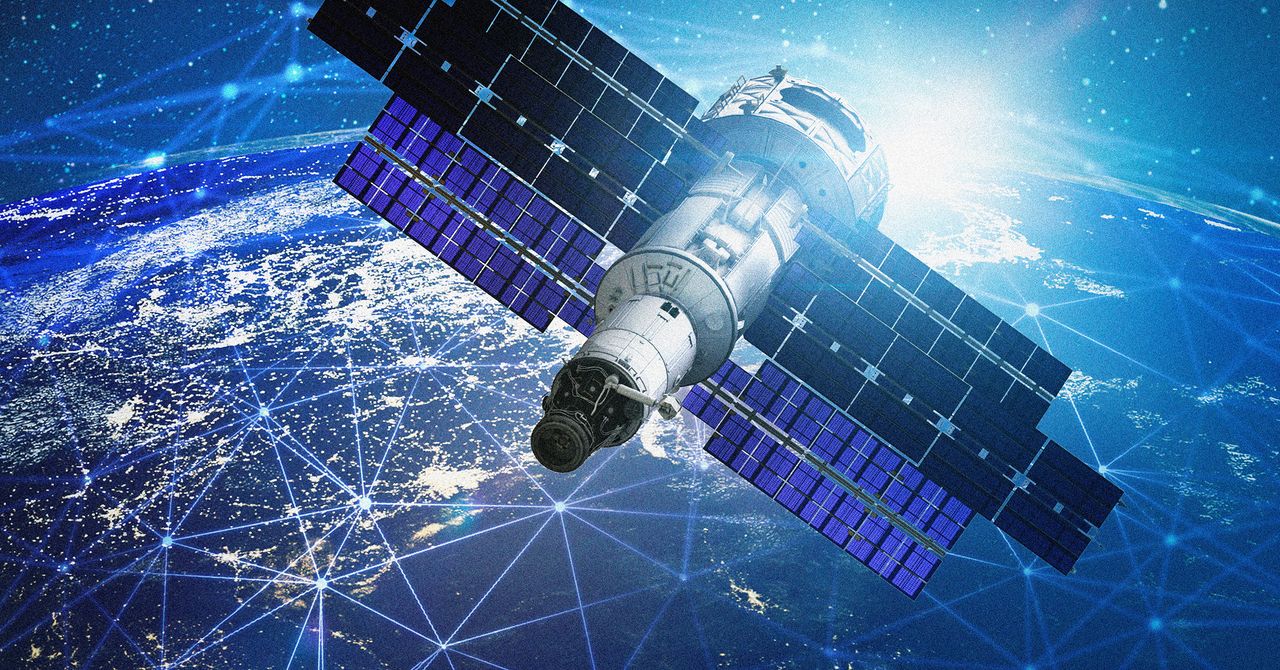
To sidestep terrestrial constraints, some advocates propose locating data centers in space. In orbit, solar panels could provide continuous power, and the vacuum eliminates the need for traditional air‑based cooling. The idea is that processing could occur aloft and results be beamed back to Earth, much like satellite internet services.
Thermal Physics in Orbit
Cooling in space relies on thermal radiation rather than conduction or convection. The Stefan‑Boltzmann law shows that radiated power depends on surface area and temperature to the fourth power. A modest cube‑shaped computer could radiate enough heat to stay cool, but as the system grows, volume expands faster than surface area, reducing the efficiency of radiative cooling.
Scaling Limits
When data centers scale to the size of current terrestrial facilities, the surface‑to‑volume ratio becomes unfavorable. A megawatt‑class system would need nearly a thousand square meters of radiator panels, adding mass and cost to any launch. Additionally, solar radiation would heat the hardware, demanding even more cooling capacity.
Satellite Swarms and Orbital Congestion
Because large structures are impractical, many experts suggest deploying a swarm of small satellites, each with a modest processing load and high radiative efficiency. Companies such as Google’s Project Suncatcher and SpaceX’s planned AI satellite constellations are exploring this approach. However, low‑Earth orbit already hosts roughly ten thousand active satellites and a comparable amount of debris, raising the risk of collisions and potential Kessler cascades.
Conclusion
While physics does not forbid off‑planet AI computing, the engineering, launch, and orbital‑traffic challenges make it a costly and complex solution. Small‑satellite constellations may offer a viable path, but the practicalities of building, maintaining, and protecting such a network remain unresolved.