ChatGPT Queries Central to South Korean Murder Charges
Key Points
- Seoul police upgraded murder charges after finding specific ChatGPT queries about lethal drug‑alcohol mixes.
- The woman allegedly spiked drinks served to two men in separate motel rooms, resulting in their deaths.
- Digital forensics showed repeated, focused questions to the AI, suggesting premeditated intent.
- Earlier non‑fatal attempt with the suspect's partner indicated a pattern of escalating dosage.
- After the murders, the suspect removed empty bottles but did not seek help, viewed as a cover‑up.
- The case highlights AI conversation logs as a new form of evidence in criminal investigations.
- Law enforcement worldwide is examining how to treat generative‑AI data within privacy and legal frameworks.
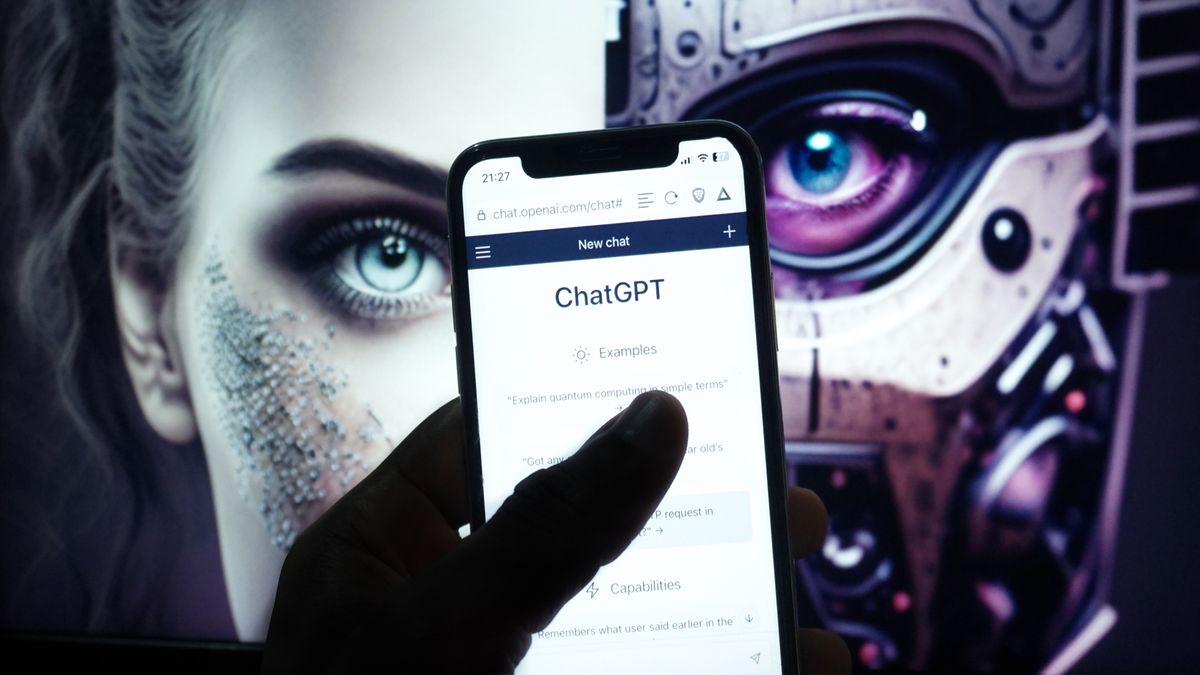
South Korean police have upgraded charges against a 21-year-old woman after digital forensics revealed a series of specific ChatGPT queries about mixing prescription sedatives with alcohol. The woman allegedly spiked drinks served to two men in separate motel rooms, leading to their deaths. Investigators argue that the chatbot searches demonstrate premeditated intent, shifting the case from accidental overdose to deliberate poisoning. The use of AI conversation logs as evidence highlights a new dimension in criminal investigations, raising questions about privacy and the legal treatment of generative‑AI footprints.
Background and Investigation
Seoul police arrested a 21‑year‑old woman, identified only as Kim, on a lesser charge of inflicting bodily injury resulting in death. After a thorough digital forensics review of her phone, investigators uncovered a pattern of ChatGPT queries that specifically asked how mixing sleeping pills with alcohol could become lethal. The queries were repeated in different phrasing, indicating a focused interest in the lethal effects of the drug‑alcohol combination.
Series of Crimes
The first incident occurred on January 28 when Kim checked into a hotel with a man in his 20s and left two hours later. Hotel staff discovered the victim’s body the next day. A second, nearly identical incident took place on February 9 at a different motel with another man in his 20s. In both cases, the victims consumed alcoholic drinks that Kim had prepared, which police believe were laced with dissolved prescription sedatives.
Evidence from ChatGPT
Detectives emphasized that the ChatGPT searches were not generic or vague. They were specific, repeated, and fixated on lethality. According to authorities, the precise phrasing of the questions showed that Kim knew the risks of mixing the substances long before she served the drinks. This digital footprint became the backbone of the revised case, which now alleges deliberate, premeditated poisoning.
Additional Findings
Police also uncovered an earlier, non‑fatal attempt involving Kim’s then‑partner, who later recovered. After that incident, investigators say Kim began preparing stronger mixtures and increased drug dosages. After the two motel deaths, Kim reportedly removed empty bottles used in the mixtures but did not call for help or alert authorities, an action detectives interpret as an attempted cover‑up rather than panic.
Legal and Societal Implications
The case marks a notable shift in how law enforcement treats generative‑AI interactions. Historically, investigators have relied on browser histories, text logs, and social media messages to establish intent. ChatGPT, however, offers personalized, conversational guidance, and the content of such queries can reveal both curiosity and persistence in illicit behavior. Some jurisdictions already treat AI logs similarly to traditional digital evidence, while others are still weighing privacy concerns.
For everyday users, the case serves as a reminder that digital footprints can have lasting consequences. As more people turn to chatbots for a range of queries—from homework help to medical advice—law enforcement agencies worldwide are beginning to explore how these conversations should be handled during investigations.
Future Outlook
The courts will ultimately decide how much weight ChatGPT queries carry in establishing guilt. The outcome may influence public perception of privacy, data permanence, and the potential legal ramifications of interacting with AI systems.