ChatGPT Images 2.0 Fuels Viral Trend of Meeting Your Younger Self
Key Points
- ChatGPT Images 2.0 lets users merge childhood and current photos into a single, realistic scene.
- Precise prompts dictate placement, lighting, and composition, producing studio‑like quality.
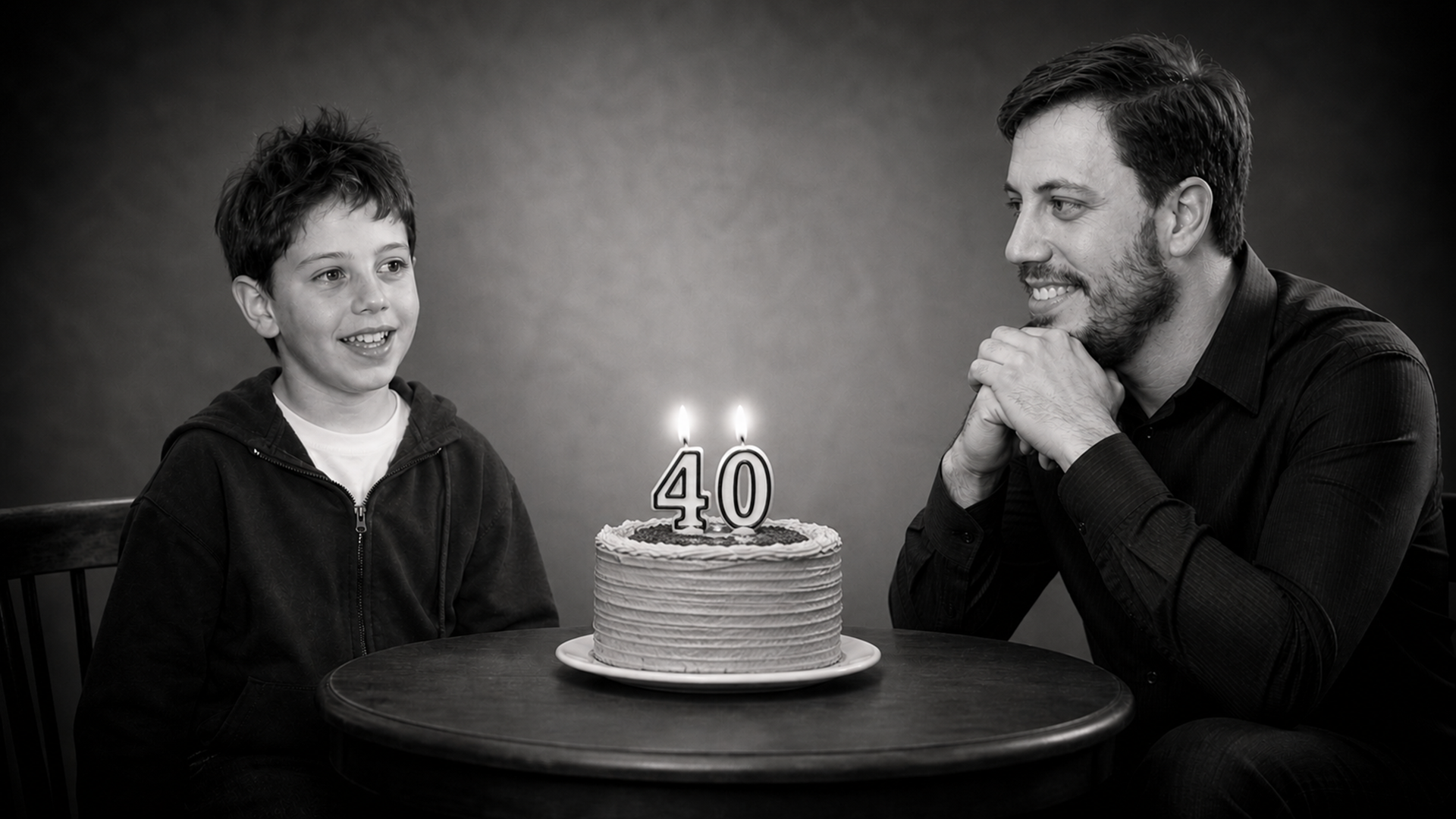
- Popular versions feature black‑and‑white portraits with a birthday cake as a central anchor.
- Creators have expanded the concept to settings like libraries, preserving consistent textures.
- Occasional glitches appear in hands or facial expressions, but overall realism remains high.
OpenAI’s new ChatGPT Images 2.0 is sparking a wave of online posts that blend childhood photos with present‑day portraits. Users upload two images, give the model precise spatial cues, and get ultra‑realistic, black‑and‑white composites that place their younger and older selves in the same scene—a birthday cake, a library table, or other settings. The trend highlights how detailed prompts can coax the AI into studio‑like lighting, consistent textures, and storytelling composition, while still exposing occasional glitches in hands or expressions.
OpenAI’s latest visual engine, ChatGPT Images 2.0, has become the engine behind a rapidly spreading internet craze: people are using the tool to stage a meeting between their childhood self and the person they are today. The process is simple yet surprisingly precise. Users upload a photo from their early years and a recent portrait, then craft a prompt that tells the model where each figure should sit, how they should look at each other, and what lighting should bathe the scene.
One of the most shared versions uses a black‑and‑white portrait format. The prompt reads, “Using the two uploaded images, create a black‑and‑white portrait. On the left, place the childhood version facing right. On the right, place the present‑day version looking toward the child. In the center, set a table with a birthday cake displaying my current age. Make the image ultra‑realistic with natural skin texture.” The result looks like a studio shot: both figures share identical lighting and shadows, the monochrome palette strips away distraction, and the cake anchors the moment to the present without overwhelming the composition.
What sets this trend apart from earlier AI‑generated fantasies—where users turned themselves into superheroes or cartoon characters—is its restraint. The images feel intimate, almost nostalgic, rather than flamboyant. By specifying concrete spatial instructions, the model can position the two selves as if they were truly sharing a moment, complete with realistic skin texture and subtle light fall.
Enthusiasts are pushing the idea further. After the basic birthday‑cake scene, one creator asked the model to place both versions in a library, each absorbed in a favorite book. The AI not only relocated the subjects but also selected titles that matched the ages of the participants, including a children’s book for the younger self. This flexibility shows how the same pair of source photos can generate entirely new narratives, provided the prompt is equally detailed about the new setting.
Despite the impressive fidelity, the technology isn’t flawless. Small inconsistencies sometimes appear in hand positions or texture details, and facial expressions may need a second try to look natural. Nevertheless, the overall quality is high enough that viewers often suspend disbelief, seeing a seamless dialogue across decades.
The phenomenon underscores a broader shift in AI image generation: from whimsical, high‑concept visuals toward grounded, personal storytelling. As users discover that precise, grounded prompts yield cohesive results, we may see more applications that blend past and present, personal history with current identity, in ways that feel both artistic and technically sophisticated.