Anthropic’s Super Bowl Ads Spark Feud with OpenAI CEO Sam Altman
Key Points
- Anthropic aired Super Bowl ads that parody OpenAI's ChatGPT with product‑placement twists.
- One ad features a chatbot turning advice on talking to a mother into a promotion for a fictitious dating site.
- Another spot shows a chatbot recommending height‑boosting insoles after a user asks for fitness tips.
- The campaign targets OpenAI users following OpenAI's announcement of ads on the free ChatGPT tier.
- OpenAI CEO Sam Altman responded on X, calling the ads dishonest and launching a lengthy critique.
- Altman defended OpenAI's upcoming ad model as transparent, labeled, and separate from conversation content.
- He accused Anthropic of authoritarian control, expensive products for the wealthy, and restrictive usage policies.
Anthropic released a series of Super Bowl commercials that parody OpenAI’s ChatGPT, depicting a chatbot giving advice that abruptly turns into product promotions. The ads, which target OpenAI users, prompted headlines describing them as a mockery of OpenAI. OpenAI chief Sam Altman responded on social media, acknowledging the humor but launching a lengthy critique that labeled Anthropic’s approach as dishonest and authoritarian. Altman defended OpenAI’s forthcoming ad model as transparent, user‑focused, and separate from conversational content, while also highlighting differences in pricing, free tiers, and content policies between the two companies.
Anthropic’s Super Bowl Campaign
During the Super Bowl, AI research lab Anthropic aired four commercials that directly reference OpenAI’s ChatGPT. One spot opens with the word “BETRAYAL” and shows a man asking a chatbot—clearly meant to represent ChatGPT—for advice on speaking with his mother. The bot, portrayed by a blonde woman, offers typical suggestions before pivoting to advertise a fictitious cougar‑dating site called Golden Encounters. Another ad features a young man seeking tips on building a six‑pack; after providing personal metrics, the chatbot serves an ad for height‑boosting insoles. Anthropic concludes the campaign by stating that while ads will appear in AI, they will not appear in its own chatbot, Claude.
Targeting OpenAI Users
The commercials are deliberately aimed at users of OpenAI’s services, arriving shortly after the company announced that ads would be introduced to the free tier of ChatGPT. Media coverage framed the ads as a tongue‑in‑cheek jab at OpenAI, using language such as “mocks,” “skewers,” and “dunks on” the rival firm.
Sam Altman’s Reaction
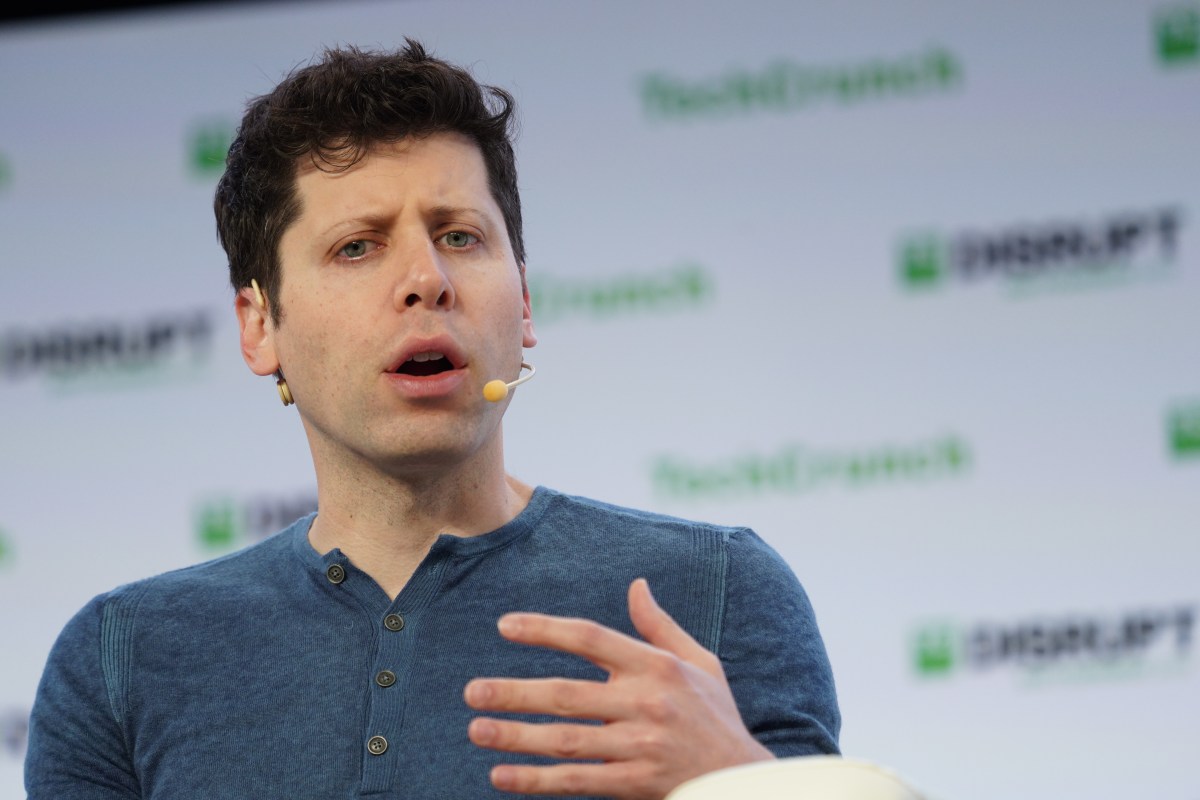
OpenAI CEO Sam Altman responded on the social platform X, admitting he laughed at the ads but also publishing a lengthy post that criticized Anthropic’s approach. Altman described the ad‑supported tier as a means to subsidize free access to ChatGPT for millions of users and emphasized that ChatGPT remains the most popular chatbot by a large margin. He asserted that OpenAI’s future ads will be clearly labeled, separate from conversational content, and never influence a chat.
Altman also took issue with the way Anthropic’s ads portrayed product placement within a conversation, calling that depiction “dishonest.” He argued that OpenAI will place ads at the bottom of answers only when a relevant sponsored product or service aligns with the current conversation, a model he presented as transparent and user‑centric.
Accusations of Control and Authoritarianism
In his post, Altman accused Anthropic of serving expensive products to affluent users, seeking to control how people use AI, and adopting an “authoritarian” stance. He cited Anthropic’s alleged restrictions on certain uses of its Claude Code model, suggesting the company blocks usage by competitors such as OpenAI. Altman also claimed Anthropic wants to dictate what users can and cannot do with AI.
Company Backgrounds and Policy Differences
Anthropic was founded by former OpenAI employees who left due to concerns about AI safety, positioning the firm around a “responsible AI” ethos. Both Anthropic and OpenAI maintain usage policies, guardrails, and content‑blocking mechanisms. Notably, OpenAI permits erotica in its chatbot while Anthropic does not, though both block content related to mental health concerns.
Altman’s use of the term “authoritarian” drew criticism for being disproportionate, especially given broader global contexts involving governmental repression. Nonetheless, the exchange underscores a growing rivalry in the generative‑AI market, where both companies compete on pricing, feature sets, and ethical positioning.
Implications for the AI Landscape
The clash highlights how AI firms are navigating monetization strategies, user experience, and public perception. While Anthropic’s ads leverage humor to challenge OpenAI’s upcoming ad model, OpenAI’s leadership emphasizes transparency and user choice. The ongoing debate may shape how future AI services integrate advertising without compromising conversational integrity.