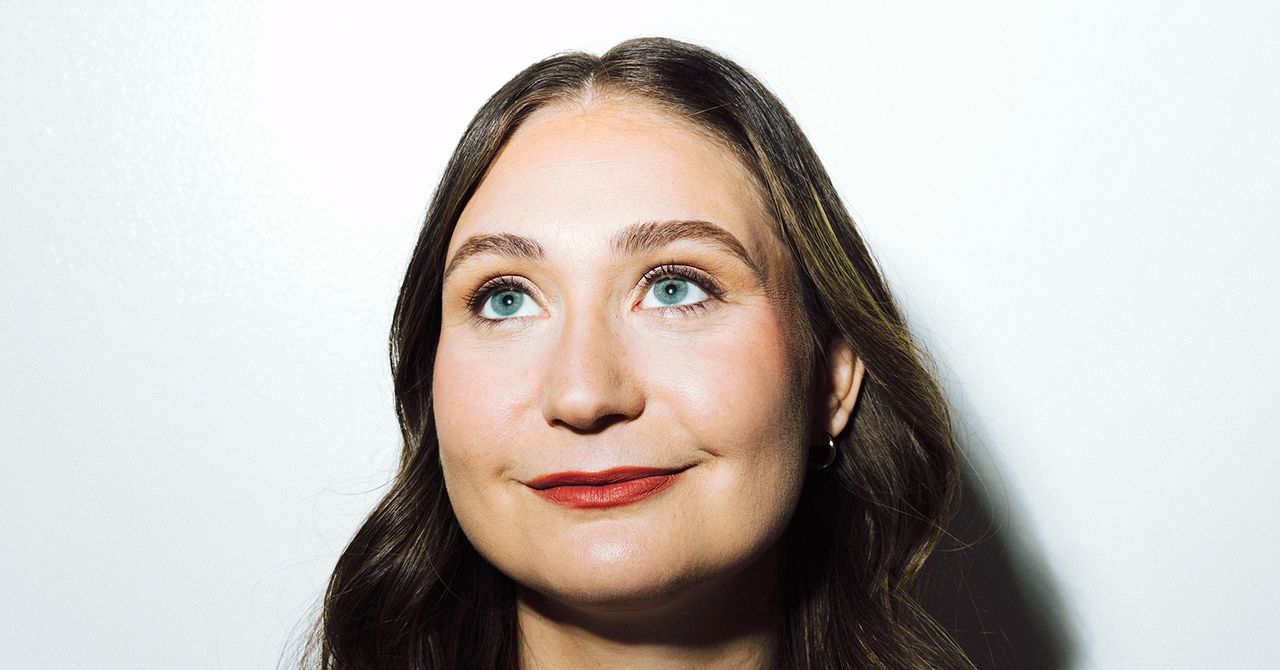
Anthropic President Daniela Amodei Stresses Safe AI as Market Advantage
Key Points
- Anthropic’s president Daniela Amodei says safety is a market advantage.
- Over 300,000 startups, developers, and companies use Anthropic’s Claude model.
- The firm trains models on ethical guidelines through its “constitutional AI” approach.
- Customers prefer AI that is reliable, low‑hallucination, and safe.
- Safety reporting is likened to automotive crash‑test data, building trust.
- Anthropic’s staff grew from 200 to over 2,000 employees.
- The industry is becoming self‑regulating around safety standards.
Anthropic president and co‑founder Daniela Amodei told WIRED that the company’s focus on safety and ethical principles is strengthening the AI market. She highlighted the widespread adoption of Anthropic’s Claude model by hundreds of thousands of developers and startups, and explained how the firm’s “constitutional AI” approach—training models on baseline ethical guidelines—helps set minimum safety standards. Amodei argued that customers prefer reliable, low‑hallucination AI, and that transparent safety reporting acts like automotive crash‑test data, building trust and encouraging industry‑wide self‑regulation.
Anthropic’s Safety‑First Strategy
At WIRED’s Big Interview event, Anthropic president and co‑founder Daniela Amodei emphasized that the company’s commitment to safety and ethical AI is not only a moral stance but also a market advantage. She explained that Anthropic has been vocal from day one about the “incredible potential” of AI, and that realizing this potential requires managing risks and making the technology reliable.
Widespread Adoption of Claude
Amodei noted that more than 300,000 startups, developers, and companies use some version of Anthropic’s Claude model. Through these relationships, Anthropic has learned that customers want AI that can accomplish great tasks while remaining safe and dependable. “No one says, ‘We want a less safe product,’” she said, comparing the company’s safety reporting to automakers releasing crash‑test studies.
Constitutional AI and Ethical Training
Anthropic’s “constitutional AI” approach trains models on a baseline set of ethical principles and documents that teach human values, such as those drawn from the United Nations Universal Declaration of Human Rights. This method helps the models respond to queries not merely on factual correctness but on broader ethical considerations.
Talent Retention and Growth
According to Amodei, the company’s mission and values attract talent who appreciate the honest discussion of both the benefits and risks of AI. Anthropic’s staff has grown from 200 employees to over 2,000, reflecting strong internal confidence despite broader market chatter about an AI bubble.
Market Implications
Amodei argued that the industry is becoming self‑regulating as companies build workflows around AI that is known to hallucinate less and produce fewer harmful outputs. By setting de‑facto safety standards, Anthropic helps shape a market where “you know this product doesn’t hallucinate as much,” making it a preferred choice over competitors with lower safety scores.
Future Outlook
She concluded that models continue to improve along the scaling curves observed by researchers, and revenue follows the same trajectory. While acknowledging the need for humility, Amodei expressed confidence that Anthropic’s focus on safety will keep the company and the broader AI ecosystem on a positive growth path.