Altman Testifies Musk Wanted Full Control of OpenAI in Its Early Days
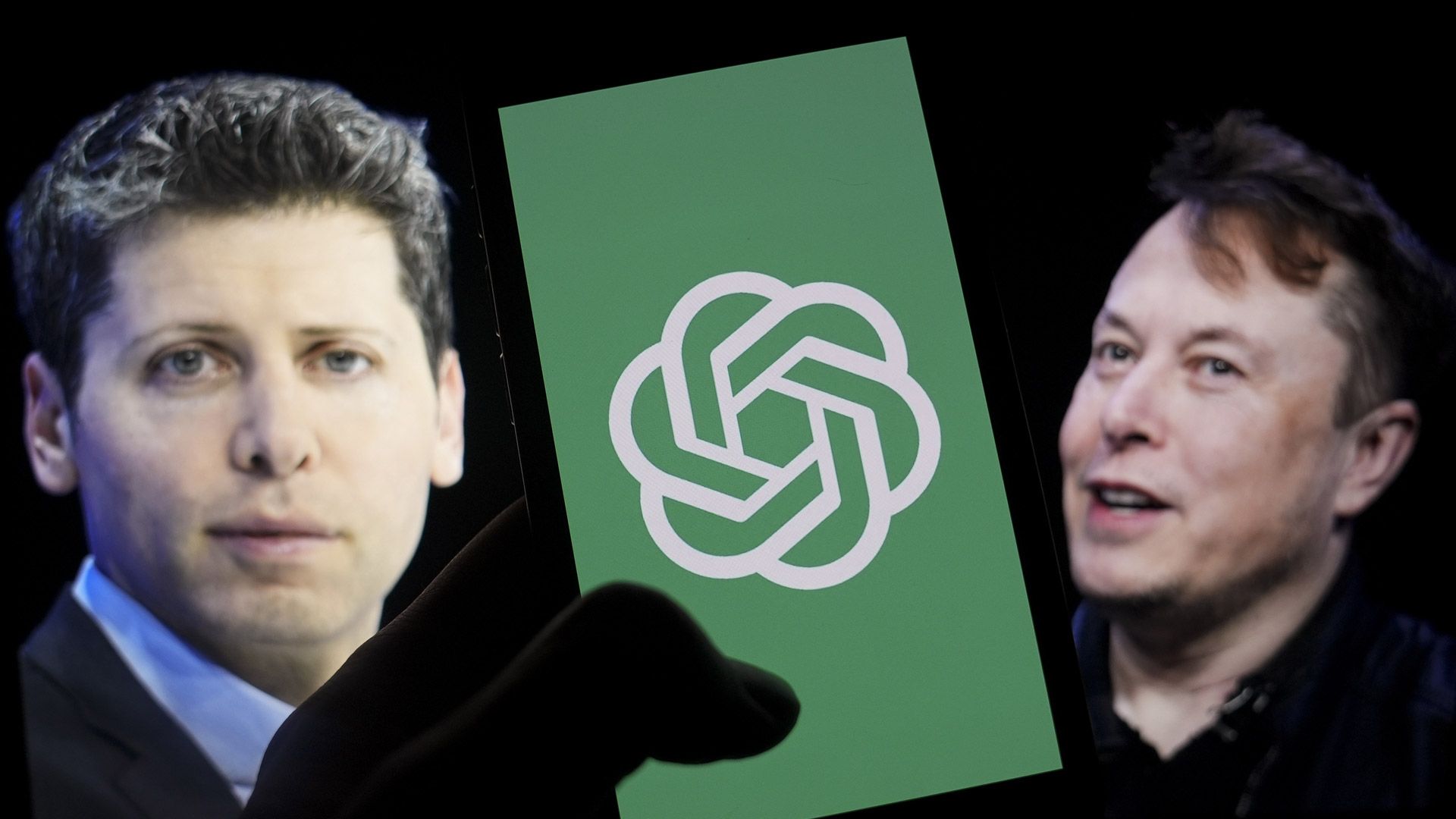
Key Points
- Sam Altman testified that Elon Musk wanted total control of OpenAI during its founding.
- Altman quoted Musk saying only he could make the “non‑obvious” AI decisions.
- Musk allegedly suggested the company could pass to his children after his death.
- The lawsuit claims OpenAI abandoned its nonprofit mission by partnering with Microsoft.
- Musk left OpenAI in 2018 and later founded xAI.
- The trial centers on competing visions of AI governance and corporate control.
In testimony before a federal jury in Oakland, OpenAI chief Sam Altman said Elon Musk pushed for total authority over the artificial‑intelligence startup when it was founded. Altman claimed Musk believed only he could make the “non‑obvious” decisions needed to develop safe AI and even suggested the company might pass to his children after his death. The remarks come as Musk sues OpenAI, alleging the firm abandoned its nonprofit mission by partnering with Microsoft. The trial now highlights a clash of visions about who should steer the future of AI.
Sam Altman took the stand Tuesday in a high‑profile lawsuit filed by Elon Musk against OpenAI, describing the billionaire’s early push for absolute authority over the fledgling artificial‑intelligence company. Altman told jurors in Oakland, California, that Musk “felt very strongly that if we were going to form a for‑profit he needed to have total control over it initially,” because he trusted only himself to make the tough, long‑term decisions required to build safe AI.
According to Altman, Musk’s confidence in his own judgment extended beyond day‑to‑day operations. When asked what would happen to that control after his death, Musk allegedly replied, “I haven’t thought about it a ton, but maybe control should pass to my children.” The comment, Altman said, sounded more feudal than the nonprofit ethos that originally guided OpenAI’s founders.
The testimony arrives amid Musk’s broader claim that OpenAI breached its original nonprofit promise by striking a commercial partnership with Microsoft. Musk argues the shift turned the research lab into a profit‑driven AI powerhouse focused on market dominance rather than openness. Altman’s statements suggest the dispute began long before any contract was signed, rooted in fundamentally different ideas about governance.
Altman painted Musk as a figure who believed concentrated power was essential for safely advancing artificial general intelligence. In contrast, Altman emphasized that OpenAI’s founding principle was to prevent any single individual from wielding unchecked influence over AGI systems, regardless of intent. That philosophical divide now frames the courtroom drama as much as the legal questions about breach of contract.
While Musk exited OpenAI in 2018 to pursue other ventures, including the recently launched xAI, the legacy of his early involvement remains central to the case. The trial, which pits Musk’s vision of a tightly controlled AI development path against OpenAI’s commitment to broader governance, could reshape the company’s corporate structure if the jury sides with the billionaire.
Legal analysts note that the stakes extend beyond monetary damages. A ruling in Musk’s favor might force OpenAI to revisit its governance model, potentially limiting the authority of its current leadership team. Conversely, a verdict for OpenAI would reinforce the company’s current trajectory of commercial partnerships and rapid product rollout.
Jurors are hearing a narrative that blends contractual disputes with a larger debate over who should wield power in an industry that increasingly concentrates influence among a handful of executives and firms. Altman’s testimony underscores that the fight over AI’s future often reduces to a struggle over control.
The courtroom battle continues to draw attention from investors, technologists, and policymakers, all watching to see whether the emerging AI sector will favor centralized authority or a more distributed, transparent approach. As the trial proceeds, both sides are likely to lean heavily on the early history Altman described, hoping to persuade the jury that their vision best serves the public interest.