AI Data Centers Accelerate Renewable Energy Push, Report Finds
Key Points
- IEA report: $580 billion global spend on data centers, $40 billion more than oil exploration.
- AI data centers increase power demand, stressing grids especially near large cities.
- U.S. accounts for about half of the new electricity demand; China and Europe share the rest.
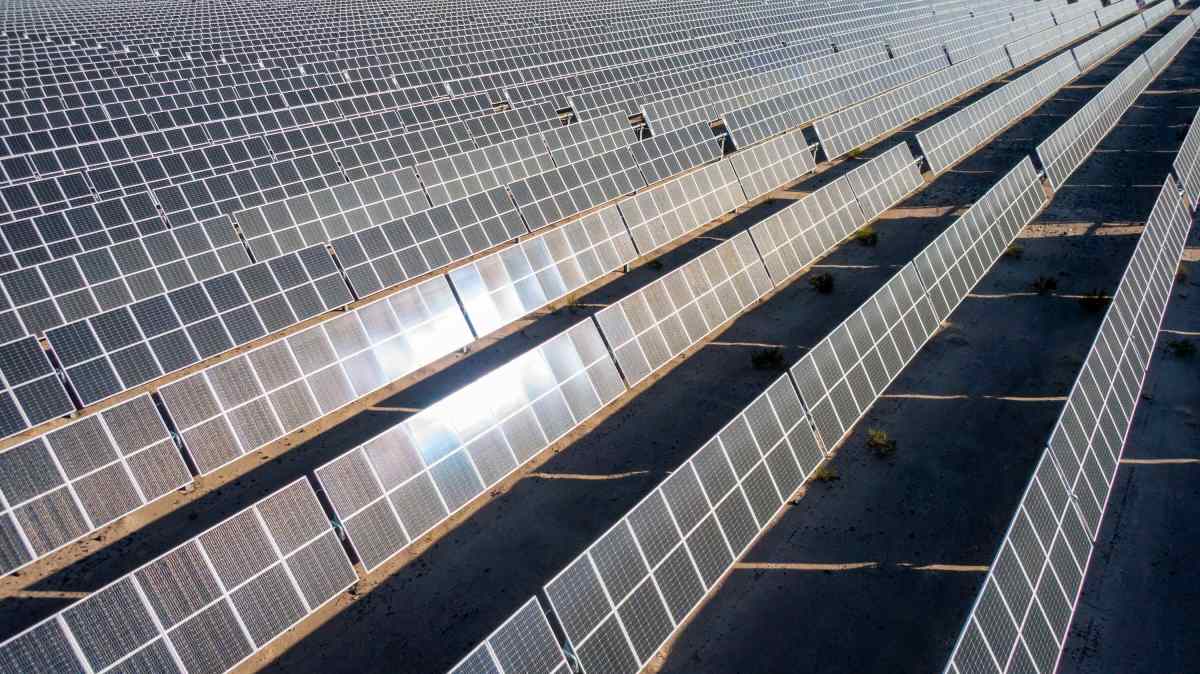
- Solar power emerges as a favored renewable option for new data center projects.
- OpenAI, Meta, and Anthropic collectively commit over $2 trillion to data center construction.
- Redwood Energy repurposes used EV batteries into microgrids for AI data centers.
- Proximity of data centers to million‑plus‑population cities heightens grid connection challenges.
- Renewable‑focused startups stand to benefit from the shift toward clean‑energy data center solutions.
A new International Energy Agency report shows global spending on data centers surpassing oil exploration, highlighting the massive power demand of AI-driven facilities. The surge strains electrical grids, especially near large cities, but also opens opportunities for renewable solutions such as solar farms and microgrids built from used EV batteries. Major AI firms like OpenAI, Meta and Anthropic have pledged billions toward new data center projects, while startups focusing on clean energy infrastructure stand to benefit from the shift.
Report Highlights
The International Energy Agency released a report indicating that the world will spend $580 billion on data centers this year, which is $40 billion more than the amount allocated to finding new oil supplies. This spending underscores the rapid expansion of AI‑driven data center capacity and its growing impact on global energy consumption.
Power Demand and Grid Challenges
AI data centers are described as “hungry for power,” creating additional stress on already taxed electrical grids. The report notes that a significant portion of the electricity demand will come from the United States, with the remaining demand spread across China and Europe. Many of these facilities are being built near cities with populations of around a million people, intensifying challenges related to grid connections and peak‑load management.
Renewable Energy Opportunities
Despite the pressures on the grid, the report highlights a potential upside: renewable energy, particularly solar power, is poised to play a central role in powering new data center projects. Solar installations adjacent to data centers can more easily obtain permits, making them an attractive option for developers seeking to meet energy needs while navigating regulatory hurdles.
Industry Commitments
Leading AI companies have announced substantial financial commitments to data center construction. OpenAI has pledged $1.4 trillion, Meta $600 billion, and Anthropic $50 billion toward building new facilities. These massive investments signal confidence in the continued growth of AI workloads and the necessity of expanding computational infrastructure.
Emerging Solutions
Redwood Materials has launched a new business unit, Redwood Energy, which aims to address grid strain by repurposing used electric‑vehicle batteries into microgrids specifically targeting AI data centers. This approach could alleviate peak‑load concerns and provide a more resilient power supply for high‑intensity computing operations. The report suggests that such innovative clean‑energy solutions could attract further investment and support from both the private sector and government initiatives.
Outlook
The convergence of soaring data center expenditures, heightened power demand, and a push toward renewable sources creates both challenges and opportunities. While the strain on electrical grids remains a concern, the growing focus on solar power and battery‑based microgrids offers a pathway to more sustainable AI infrastructure. Companies and policymakers will need to collaborate to ensure that the expansion of AI computing aligns with broader climate and energy goals.